The short answer
Yes, Switzerland has allowed dual citizenship without restriction since 1 January 1992. You stay Swiss when you acquire a second passport, whether through naturalisation, descent or investment. Whether you get it is up to the other state alone. Three rules matter: children born abroad who hold a second passport must be reported by their 25th birthday, Swiss abroad report a new citizenship to their Swiss representation, and only dual nationals can be stripped of Swiss citizenship by Switzerland, for serious crimes.
A passport is a right, not a permission. A visa can be refused or withdrawn; a citizenship cannot. The Swiss passport is a strong document, and that is exactly why so many underestimate what a second one delivers: a second home, a second consulate, a second country that has to let you in. For Germans who become Swiss and for Swiss looking for a second passport, the question is the same: what applies to dual nationals?
Does Switzerland allow dual citizenship?
Yes, with no ifs or buts. Since 1 January 1992, multiple citizenship has been permitted under Swiss law without any restriction. That is how the Federal Department of Foreign Affairs (FDFA) puts it on the websites of its embassies and consulates. Switzerland does not ask how many passports you hold, and it does not make you choose one.
This works both ways:
- You are Swiss and acquire another citizenship. As long as the other state does not require you to renounce, this has no effect on your Swiss citizenship.
- You are a foreign national and become Swiss. Switzerland does not require you to give up your existing citizenship when you naturalise. Whether you may keep it is decided by your country of origin.
That second point is the catch many people miss. The FDFA states it plainly: if the law of your country of origin does not allow you to acquire a foreign citizenship, you put your original citizenship at risk. Switzerland is generous; the other side has to play along.
One more duty applies if you live abroad: Swiss abroad who have acquired another citizenship must inform the Swiss representation where they are registered. Do not forget it, because in an emergency that representation is your first port of call.
Dual citizenship Germany and Switzerland
For the many Germans in Zurich, Basel or Zug, and for Swiss with a German parent, things have never been simpler. Both states accept dual citizenship.
On the German side, the Act to Modernise Nationality Law did away with the old loss rule. The Federal Office of Administration (Bundesverwaltungsamt) sums it up in one sentence: multiple citizenship is generally accepted in Germany, and the retention permit procedure has been abolished. Since 27 June 2024 you no longer lose German citizenship when you acquire a foreign one on application. Cases before that date are governed by the law in force at the time, because the reform does not apply retroactively.
| Situation | Swiss law | German law |
|---|---|---|
| German becomes Swiss | no renunciation required | German citizenship kept since 27 June 2024 |
| Swiss becomes German | Swiss citizenship kept | multiple citizenship accepted |
| Swiss abroad becomes German | report to the Swiss representation | multiple citizenship accepted |
As a German, though, Switzerland is still a marathon, not a sprint. The Confederation only grants the federal naturalisation permit once you hold a settlement permit (C permit) and have lived in Switzerland for a total of ten years, three of them in the five years before you apply. The canton and the municipality carry out their own checks on top. How to build up the years and which shortcuts exist is set out in Switzerland: naturalisation for Germans. The wider framework for Germans with two or more passports is covered in the overview of dual citizenship in Germany.
For Austrians, Austrian citizenship law decides whether the existing passport survives naturalisation in Switzerland. Before you file an application for naturalisation as an Austrian, read Second citizenship for Austrians.
Why a Swiss citizen would want a second passport at all
It is a fair question. With a Swiss passport you travel freely and live in one of the safest countries in the world. How strong it really is by comparison is shown in The Swiss passport: how strong it really is. But a second passport is not about visa-free travel. It is about dependence.
A single passport means a single state decides whether you get a travel document, where you may settle and who protects you in an emergency. With a second one, you spread that risk. The main reasons match the eight reasons for a second passport:
- A second right of entry and residence that no official grants you as a favour.
- A backup document if your Swiss passport is lost, stolen or held abroad and the nearest Swiss representation is far away.
- A passport for your children that will open doors for them later that you do not even know about today.
- Travel to countries where a different passport draws less attention or gets you through faster.
For Swiss living abroad there is one more reason: if your life is centred outside Europe anyway, the citizenship of your country of residence or a neighbouring country gives you real freedom of movement on the ground.
Second passport through investment: what Swiss citizens need to know
For Swiss citizens, citizenship by investment is the fastest route to a second passport. Swiss law sets no limit here: you stay Swiss, whichever country takes you in as well. The only question is whether the programme country allows multiple citizenship. For the main programmes this is expressly settled:
| Programme | Multiple citizenship | Page |
|---|---|---|
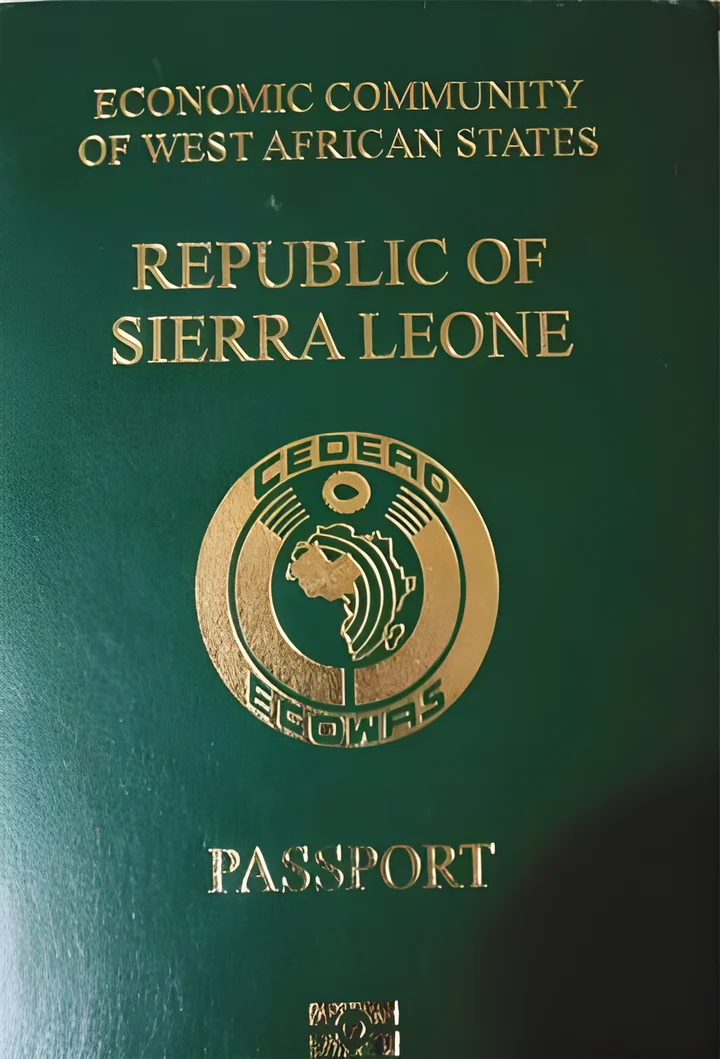
| Sierra Leone | accepts multiple citizenships without restriction | Sierra Leone |
| St. Kitts and Nevis | no renunciation of your existing citizenship | St. Kitts and Nevis |
| Dominica | dual citizenship recognised, no renunciation | Dominica |
| Grenada | dual citizenship permitted, no renunciation | Grenada |
Sierra Leone leads the field: the application runs entirely remotely, with no travel and no embassy appointment, and as a rule 90-120 days pass between a complete application and the passport. The Caribbean states bring their own strengths. Amounts, fees and family rules for every programme sit side by side in the comparison, and who in your family can come along is shown under Family.
One point Swiss citizens should know: some programmes exclude certain nationalities. St. Kitts and Nevis, for example, excludes nationals and residents of Russia, Belarus, North Korea, Afghanistan, Iraq and Iran, while Sierra Leone accepts every nationality except North Korea. None of these bans affects Swiss citizens. You go through the usual background check, nothing more. How investment and later naturalisation fit together is explained in the second passport guide.
Born abroad: the deadline of the 25th birthday
This rule can cost families the Swiss passport without them noticing. Article 7 of the Swiss Citizenship Act (Bürgerrechtsgesetz, BüG) is strictly worded: a child born abroad to a Swiss parent who also holds another citizenship forfeits Swiss citizenship on reaching the age of 25. Unless one of three conditions has been met by then:
- The child was reported to a Swiss authority in Switzerland or abroad.
- The child came forward themselves.
- The child declared in writing that they wish to keep Swiss citizenship.
The good news: very little counts as a report. The Act expressly names any notice from parents, relatives or acquaintances with a view to entry in the Swiss civil registers, registration with the Swiss representation or the issue of an identity document. Anyone who received a Swiss passport as a child is, as a rule, on the safe side.
The bad news: if a child forfeits citizenship, their own children lose it too. A forgotten report therefore reaches across generations. Anyone who was unable to report in time through no will of their own may still do so within one year after the obstacle ceases.
What remains after the 25th birthday
Anyone who has lost citizenship can apply for reinstatement within ten years, from abroad too, provided they have close ties to Switzerland. After that deadline it is only possible with three years of residence in Switzerland. So plan early: report every child born abroad as soon as the birth certificate is in hand. What else children with two passports can expect is set out in Children with two passports.
Military service: the obligations of dual nationals
For many dual nationals, conscription is the biggest worry. The Swiss Armed Forces Act (Militärgesetz, MG) deals with it pragmatically.
- Swiss abroad are exempt from recruitment and compulsory military service in peacetime. The Federal Council can provide for exceptions, in particular for Swiss abroad in neighbouring countries. They too can be called up for national defence service.
- Dual nationals who have fulfilled their military obligations or performed substitute service or payments in the other state are not liable for military service in Switzerland. The Federal Council can provide for exceptions.
- The duty to report and the military service exemption tax remain reserved. A dual national who is not liable for service still reports their personal data, and any changes to it, to the district command of their canton of residence.
Switzerland can conclude agreements with other states on the mutual recognition of military service performed by dual nationals. Whether one applies to your second citizenship is something your Swiss representation can tell you. What German conscription means if you are also German is covered under Conscription. What applies in a crisis or in wartime, when two states could call you up, is shown in Dual citizenship in wartime.
Consular protection abroad
This is where two passports prove their worth over one. The Swiss Abroad Act (Auslandschweizergesetz, ASG) allows Switzerland to grant consular protection to citizens with more than one citizenship as well, provided no other state is already helping. According to the FDFA, dual nationals receive protection to the same extent as Swiss with a single passport.
There is one limit: in the country of your second citizenship. There, Switzerland can only protect you if that state does not object. And if the foreign citizenship is the dominant one, as a Swiss abroad you generally receive no Swiss welfare assistance.
In practice, this means: in third countries you have two consulates that can help you. In the country of your second passport you are its citizen, with all the rights that state gives its own people. Incidentally, the law grants no legal entitlement to consular protection to Swiss with a single passport either. How to enter and leave with two passports, which one to show where and what counts at the border is explained in Travelling with more than one passport.
Downsides: revocation, release and tax
Anyone looking for the downsides of dual citizenship will find surprisingly few in Switzerland's case. There are three points you should know.
Revocation of citizenship
Switzerland can only revoke the citizenship of a dual national. The State Secretariat for Migration (SEM) may do so with the consent of the canton of origin if your conduct is seriously detrimental to the interests or the reputation of Switzerland. The Swiss Citizenship Ordinance (Bürgerrechtsverordnung, BüV) makes clear what this means: serious crimes in connection with terrorism, violent extremism or organised crime, genocide, crimes against humanity, war crimes and certain offences against the security of the state. Revocation generally requires a final conviction. For a law-abiding person this is not a risk but a footnote.
Release at your own request
Switzerland holds no one back. Anyone who does not live in Switzerland and holds another citizenship, or has been assured of one, is released from Swiss citizenship on request. Citizenship ends when the release certificate is served. Even then the way back stays open: reinstatement is possible within ten years.
Tax
In Switzerland, citizenship does not determine tax liability. Individuals are liable to tax if they have their tax domicile or tax residence in Switzerland. You are tax resident if you stay in Switzerland for at least 30 days while working or 90 days without working. A second passport changes nothing about this, neither for better nor for worse. Why passport and tax are two separate questions is explained in Passport and tax.
As a Swiss abroad: registration and passport
Many Swiss dual nationals live abroad. For them, registration is the key to everything. Swiss citizens with no domicile in Switzerland register with the responsible Swiss representation for entry in the Register of Swiss Abroad. Only once you are registered can you exercise your rights as a Swiss abroad, and only then do the Swiss authorities act for you under the Swiss Abroad Act.
For dual nationals, registration has a second benefit: it also serves as the report that protects your children born abroad from losing citizenship at 25. So register your children from the very start.
When your passport expires, you apply for a new one at your Swiss representation in your country of residence. The step-by-step guide Renewing a Swiss passport abroad (in German) shows you how. If you are leaving Switzerland right now, you will find deregistration step by step in Deregistering from Switzerland (in German).
Keep both passports valid. An expired passport does not take away your citizenship, but at the decisive moment it takes away the document that proves it.
Frequently asked questions
Does Switzerland allow dual citizenship?
Yes. Since 1 January 1992, multiple citizenship has been permitted under Swiss law without any restriction. You do not lose Swiss citizenship when you acquire another one. Whether you get the new one and may keep it is governed solely by the law of the other state.
Can I become Swiss as a German and stay German?
Yes. Switzerland does not require you to give up your citizenship when you naturalise, and Germany has accepted multiple citizenship across the board since 27 June 2024. So you keep both passports. The route via a settlement permit and ten years of residence is set out in Switzerland: naturalisation for Germans.
What are the downsides of dual citizenship for Swiss citizens?
There are few. Switzerland can only strip a dual national of citizenship, and only for serious crimes such as terrorism or war crimes, as a rule after a final conviction. In the country of your second citizenship, Switzerland can only protect you consularly if that state does not object, and Swiss welfare assistance is generally not available when the foreign citizenship is the dominant one.
Will my child born abroad lose the Swiss passport?
Only if the child holds a second citizenship and, by their 25th birthday, was never reported to a Swiss authority, never came forward themselves and never declared in writing that they wish to remain Swiss. Any notice from parents, relatives or acquaintances with a view to entry in the register, registration with the Swiss representation or the issue of a passport already counts as a report. More in Children with two passports.
Does a Swiss dual national have to do military service?
If you have fulfilled your military obligations in the other state or made substitute payments or service there, you are not liable for military service in Switzerland. The duty to report and the military service exemption tax remain reserved. Swiss abroad are in any case exempt from recruitment and military service in peacetime.
Can I buy a passport through investment as a Swiss citizen?
Yes. Swiss law sets no limit on multiple citizenship, so your Swiss citizenship stays in place. Sierra Leone, St. Kitts and Nevis, Dominica and Grenada for their part do not require you to give up your existing citizenship. The comparison gives you the overview.
Do I pay tax in two countries as a dual national?
Not because of the passport. Switzerland taxes individuals on the basis of their tax domicile or tax residence, not their citizenship. How the two fit together in detail is explained in Passport and tax.
Two passports, and the red one stays safe
We go through with you which second passport fits your life, who in your family can come along and how to keep deadlines and reporting duties firmly under control.
Book a consultationSources
- Swiss Citizenship Act (Bürgerrechtsgesetz, BüG), SR 141.0: Art. 7, 27, 37, 42
- Swiss Citizenship Ordinance (Bürgerrechtsverordnung, BüV), SR 141.01: Art. 30 revocation of citizenship
- Swiss Confederation, FDFA, Swiss representation in the USA: dual citizenship
- State Secretariat for Migration SEM: FAQ on Swiss citizenship
- Swiss Abroad Act (Auslandschweizergesetz, ASG), SR 195.1: Art. 11, 25, 39, 43, 56
- Armed Forces Act (Militärgesetz, MG), SR 510.10: Art. 4, 5, 27
- Federal Direct Tax Act (DBG), SR 642.11: Art. 3
- Federal Office of Administration (Bundesverwaltungsamt): retention of German citizenship, abolition of the retention procedure
- Citizenship by Investment Unit St Kitts and Nevis: Exploring dual citizenship in St. Kitts and Nevis
- Citizenship by Investment Unit Dominica: FAQs
- Investment Migration Agency Grenada: Frequently Asked Questions
- Sierra Leone: sierraleonepassport.com, FAQ