
The short answer
There is no fixed maximum. Each state decides only about its own citizenship: Germany has generally accepted multiple citizenship since 27 June 2024, and Switzerland has allowed it without restriction since 1 January 1992. How many passports you can hold is therefore decided by the strictest country in your collection, Austria for example: there, citizenship is lost by operation of law when you acquire a foreign one, unless retention was approved beforehand.
A passport is a right, not a permission. A visa can be refused or revoked; a citizenship cannot. Once that sinks in, you stop seeing a second passport as the finish line and start seeing it as the beginning. Every additional passport is one more right that nobody can take from you with the stroke of a pen, and the routes that lead there can be combined. What the first step looks like is set out in the second passport guide. Things get interesting after that.
How many citizenships can you have?
Nobody imposes a worldwide number on you. Citizenship is a matter for each individual state. Germany decides who is German and stays German. Switzerland decides who is Swiss. Canada decides who is Canadian. None of these states decides how many other passports you hold besides.
For Germans, the position has never been as clear as it has been since 27 June 2024. The Federal Office of Administration (Bundesverwaltungsamt) puts it bluntly: Germany generally accepts multiple citizenship. If you acquire another citizenship, you no longer lose your German one. German law sets no maximum. Whether you take on one, two or three more passports makes no difference to your German passport.
Switzerland got there even earlier. According to the State Secretariat for Migration (SEM), dual citizenship has been permitted there without restriction since 1 January 1992. And Canada states explicitly on its official travel portal that you can hold several citizenships and still remain Canadian.
So the real limit is not a number. It is the strictest country in your collection. Every state in your combination has to accept that you are also a citizen of the others. If one of them says no, it is deciding about its own citizenship, not about your other ones.
Triple citizenship: when it works
Triple citizenship works when three conditions are met at the same time. The country of your first passport lets you keep what you have. The country of your second passport does not require you to renounce anything. And neither does the third. Sounds simple, and for most of the combinations open to Germans and Swiss, it is.
It gets trickier with states that only tolerate multiple citizenship with strings attached. Two examples show how different those strings can be:
- Austria: An Austrian who voluntarily acquires a foreign citizenship loses Austrian citizenship automatically, by operation of law. The only thing that prevents this is retention (Beibehaltung) applied for and approved before the acquisition. If you are Austrian and planning a second or third passport, you therefore start in Vienna, not in the programme country. The route is described in second citizenship for Austrians.
- Japan requires people with more than one citizenship to choose. According to the Japanese Ministry of Justice, anyone who holds several citizenships before turning 18 must decide by their 20th birthday. Anyone who only acquires them at 18 or later has two years to do so. If you do not choose, the Minister of Justice will call on you to make the choice, and in some cases you can lose Japanese citizenship.
That gives you one simple rule for your planning: check every country on its own, and in both directions. Does it let you keep your existing passports when you become a citizen? And does it let you add further passports once you are one? Only if both answers are yes does that country belong in your combination.
Which countries allow multiple citizenship
In the countries that turn up most often in the passport combinations of Germans, Austrians and Swiss, the rules are clear. This is how the responsible authorities themselves put it:
| Country | Multiple citizenship | What you need to know |
|---|---|---|
| Germany | yes | generally accepted since 27 June 2024, no loss when acquiring another |
| Switzerland | yes | without restriction since 1 January 1992 |
| Canada | yes | multiple citizenship allowed, you remain Canadian |
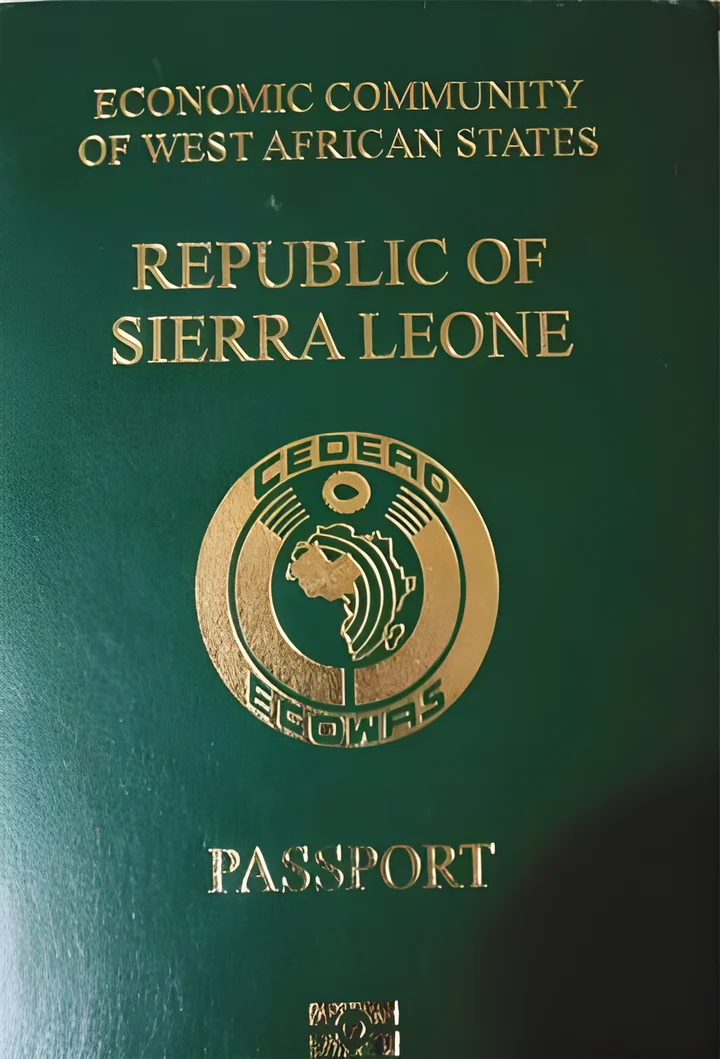
| Sierra Leone | yes | multiple citizenship without restriction |
| St Kitts and Nevis | yes | no renunciation of your existing citizenship on the investment route |
| Austria | only with approval | lost by operation of law unless retention was approved beforehand |
| Japan | only for a limited time | choice of citizenship by age 20 or within two years |
The programme countries matter most, because that is where many people get their second or third passport. Sierra Leone accepts multiple citizenship without restriction. The Citizenship by Investment Unit of St Kitts and Nevis states explicitly that the country recognises dual citizenship and that investors do not have to give up their existing citizenship. Which other programmes are worth considering and how they differ is shown in the comparison.
Why a second passport is often not the last
Hardly anyone plans three passports from the outset. Most people start with a worry: what if my only passport stops helping me one day? The second passport answers that worry. And then it turns out that life keeps opening more doors.
The typical sequence looks like this. First comes a passport that is available quickly, because time is the scarcest resource. Citizenship by investment delivers it in months rather than years: for Sierra Leone it usually takes 90-120 days from complete application to passport, and for St Kitts and Nevis the decision comes 120-180 days after the acknowledgement of receipt. If you want to understand this route in more detail, read buying citizenship.
After that, something shifts. With Plan B in their pocket, many people choose more freely where they want to live. They move to a country they like, stay a few years, and suddenly the next opportunity is on the table: naturalisation where they now live. It is the least expensive route and often the more valuable one in the end, but it demands years of genuine residence. That is exactly why investment and naturalisation are not an either-or. The investment buys you the time that naturalisation needs. How the two routes mesh is shown in CBI and naturalisation.
And then there are the children. A child born abroad can acquire citizenship there by birth. A child with ancestors from another country can get a further passport through descent. That is how the number of passports in a family often grows all on its own, generation after generation.
Four routes you can combine
Every additional passport comes through one of four routes. The crucial point: these routes do not exclude one another. You can take them one after another or in parallel, for yourself and for your children.
| Route | What you need | Timeframe | Costs |
|---|---|---|---|
| Descent | ancestors who held the citizenship, a complete set of certificates | depends on the country and the records | mainly certificates and fees |
| Birth abroad | birth in a country with birthright citizenship | at birth | travel and stay |
| Naturalisation | years of genuine residence, often a language requirement and a test | several years | low |
| Investment | contribution or investment, due diligence | months | programme amount plus fees |
Descent: the passport already in your family
Many people carry a claim around without knowing it. A grandfather from another country, a great-grandmother from a state with generous citizenship by descent: traces like these can lead to another passport that costs nothing but certificates, patience and fees. The overview of this route is in citizenship by descent. For Ireland, one of the best-known descent routes, the article on dual citizenship with Ireland explains what happens to the passports you already hold.
Birth abroad: the passport you give your child
A birth on foreign soil is a passport you lay in your child's cradle. Canada, for example, makes in principle everyone born in Canada after 14 February 1977 a citizen, as set out in section 3 of the Citizenship Act. If one parent is German, the child also acquires German citizenship by birth.
There is one exception you need to know: if you yourself were born abroad after 31 December 1999 and are habitually resident there, your child born abroad only acquires German citizenship if the birth is registered with the German authorities within one year. Do not miss this deadline. Which countries grant citizenship by place of birth is covered in birth tourism.
Naturalisation: the inexpensive but long route
Naturalisation is the route states have always provided: you live there, you settle in, you become a citizen. It costs little money but a lot of time, and it requires you to genuinely live there. For many people it is the third passport, one that follows quite naturally from a move. Which countries naturalise quickly and what they require is shown in naturalisation abroad.
Investment: the passport that buys you time
Citizenship by investment is the only route not tied to ancestry, place of birth or years of residence. It is predictable, fast and anchored in law. That is why, for many people, it is the first additional passport, with the others following later.
How a third passport comes about in practice
A third passport usually grows out of one of a handful of typical situations. Three examples show how the routes mesh:
| Starting point | Second passport | Third passport |
|---|---|---|
| German entrepreneur who travels internationally | citizenship by investment as Plan B | naturalisation in the new country of residence after years there |
| Family spending a year abroad | child receives the passport of the country of birth | parents add one later through investment or naturalisation |
| Swiss national with ancestors abroad | passport through descent | passport through investment for countries the first one does not cover |
All three examples have one thing in common: no passport replaces another. Each one is added. Your German or Swiss passport remains your strong travel document, the investment passport your insurance, the third passport your home or your family's heritage. If you would like to hear more about combinations like these, a good place to start is the piece on multiple citizenships and their legal limits (in German).
For families, it pays to think the whole thing through together from the start. If you include your spouse and children in the application on the investment route, you give everyone the same Plan B. What programmes provide for family members is set out on the family page.
What every additional citizenship brings with it
Every passport is a right. But some states also attach obligations to their citizenship. If you collect several passports, you know these points and plan for them.
Tax usually follows residence, not the passport
In Germany, you have unlimited income tax liability if your residence or habitual abode is there. Another passport changes nothing about that, neither to your disadvantage nor to your advantage. The big exception is the United States: according to the US tax authority, American citizens are taxed on their worldwide income even when they live abroad. If you are thinking about a US passport, read the article on dual citizenship and US taxes first. How passport, residence and tax interact is explained in tax and citizenship.
In the country of your other passport, you are its citizen
Canada tells its citizens plainly: a country whose citizenship you also hold may regard you as its own citizen and not recognise your Canadian citizenship there. The local authorities may then deny you access to Canadian consular assistance. That is no reason against holding several passports, but it is a reason always to travel on the matching passport in each country. How to make two sets of embassies work for you is covered in two embassies. For questions about military service and time spent abroad, there is a separate article on conscription.
Honest on every form
With several passports, you will be asked more often which citizenships you hold. The ESTA form for the United States, for example, asks explicitly about other citizenships. The answer is always complete and truthful, with every passport you hold. More on this in ESTA with dual citizenship.
Travelling with three passports
More passports means more options at the border, but also a little more order in your head. The basic idea is simple: each passport has its job. You show a country's passport when you enter or leave that country. Canada, for example, tells its citizens explicitly that they need a valid Canadian passport to fly home. For third countries, you choose the passport with the better entry conditions.
What matters is that your booking, your check-in and the passport you present all match. How to handle this smoothly day to day is shown in travelling with multiple passports. And if you want to know which of your passports opens the most doors where, you will find the answer in the passport ranking.
Which combination suits you
In the end, the question is not how many passports are allowed. The question is which combination really protects your life. The strongest collections follow a clear pattern:
- A strong travel document. For Germans, Austrians and Swiss, this is usually the passport they already have.
- A fast Plan B. A passport through investment from a country that allows multiple citizenship, available within months. You will find the programmes at a glance under programmes, and the amounts and fees under costs.
- A passport with roots. The passport of your country of residence through naturalisation, or the passport of your ancestors through descent.
- The next generation. The passport you pass on to your child through a birth abroad or through your own citizenship.
Not every family needs all four. But every family benefits from choosing the order deliberately. Secure the fast Plan B first, and you gain the freedom to take the slower routes at your own pace. And if you think of your children from the start, you will not miss a chance that only comes once.
Frequently asked questions
How many citizenships can you have as a German?
German law sets no maximum. Since 27 June 2024, multiple citizenship has been generally accepted, and if you acquire another citizenship you no longer lose your German one. Whether you keep the other citizenships is decided solely by the law of each of those countries.
Can you have three citizenships?
Yes, as long as all three states allow multiple citizenship. Triple citizenship of Germany, Switzerland and Canada, for example, is possible because all three permit more than one citizenship. It only gets difficult when a country in the combination requires you to renounce or forces a choice, as Japan does, or Austria without retention approval.
As a German, do I lose my citizenship if I take on a third one?
No. Since 27 June 2024, acquiring another citizenship no longer costs you your German one, whether it is your second, third or fourth. The reform is not retroactive, however: anyone who acquired a foreign citizenship on application before that date without a retention permit lost their German citizenship at the time. More on this in dual citizenship in Germany.
Do I have to list all my citizenships on my ESTA application?
Yes. The ESTA form asks explicitly about other citizenships, and you answer it truthfully, with every passport you hold. What this means for your entry into the United States is covered in ESTA with dual citizenship.
Do I pay tax several times over if I hold several passports?
Not in Germany because of the passports: unlimited income tax liability there depends on your residence or habitual abode. The big exception is US citizenship, because the United States taxes its citizens on their worldwide income even when they live abroad. The tax page sets out the framework.
Do my children automatically get all my citizenships?
Each country decides that for itself. Your child acquires German citizenship by birth if one parent is German. If you yourself were born abroad after 31 December 1999 and live there, the birth must be registered with the German authorities within one year. How to pass citizenships on to the next generation is shown in passing on citizenship.
Can an Austrian have three citizenships?
Only with preparation. An Austrian who voluntarily acquires a foreign citizenship automatically loses Austrian citizenship, unless retention was applied for and approved beforehand. The details are in second citizenship for Austrians.
Your next passport, properly planned
Whether it is your second, your third or the passport for your child: we work out with you which routes you can combine, in what order they make sense and which countries fit in.
Book a consultationSources
- Federal Office of Administration (Bundesverwaltungsamt): retaining German citizenship, retention procedure abolished as of 27 June 2024
- Nationality Act (Staatsangehörigkeitsgesetz): § 4, acquisition by birth
- Income Tax Act (Einkommensteuergesetz): § 1, tax liability
- State Secretariat for Migration SEM: dual citizenship
- oesterreich.gv.at: loss, deprivation and renunciation of citizenship
- Ministry of Justice Japan: The Choice of Nationality
- Government of Canada: Dual citizenship, travel.gc.ca
- Justice Laws Website Canada: Citizenship Act, R.S.C. 1985, c. C-29, s. 3
- Citizenship by Investment Unit St Kitts and Nevis: Exploring dual citizenship in St. Kitts and Nevis
- Sierra Leone: sierraleonepassport.com, FAQ
- Internal Revenue Service: U.S. citizens and resident aliens abroad
- U.S. Customs and Border Protection: Enhancements to ESTA, FAQs