
The short answer
Jus soli means your child becomes a citizen of the country it is born in, whatever passport you hold. It applies without restriction in the USA, Canada, Mexico, Brazil, Argentina, Uruguay, Paraguay and Ecuador, among others; essentially the only exception there is the children of foreign diplomats. Costa Rica requires registration by the parents, Colombia requires one parent to be domiciled in the country, and the UK and Germany require the parents to have settled residence.
A passport is a right, not a permission. A visa can be refused or revoked; a citizenship your child received at birth belongs to your child. And no other route to a second citizenship is anchored so early in life or is so hard to challenge as this one. The whole journey, from planning to the first passport, is laid out in the article on birth tourism. But one question comes before everything else: in which countries does birth alone bring a passport?
What jus soli means: citizenship by birth in the country
Every state decides who belongs to it from birth. There are two basic principles for this, and most countries combine them.
Jus sanguinis, the right of blood, looks to the parents. Your child is German because you are German, wherever it is born. That is what Section 4(1) of the Nationality Act (Staatsangehörigkeitsgesetz, StAG) says: a child acquires German citizenship by birth if one parent holds it. How a passport passes down through parents, grandparents and great-grandparents is explained in the article on citizenship by descent.
Jus soli, the right of the soil, looks to the place of birth. Your child is a citizen because it was born on the country's territory, whatever passport you hold. The principle comes from English common law. In Trump v. Barbara, the US Supreme Court traced it back through Blackstone to Calvin's Case: anyone born within the king's dominion owed him allegiance and was his subject, however fleeting and uncertain their stay there.
For your family, what counts is how the two work together. Descent gives your child the German passport, and the birthplace rule of the country of birth adds a second. Two citizenships from a single moment. What that means in detail is explained in Dual citizenship by birth.
One distinction is decisive for any list:
- Unrestricted jus soli: being born in the country is enough. The only exceptions are almost always the children of foreign diplomats.
- Conditional jus soli: birth alone is not enough. The country also requires residence, a permanent right of residence or registration by the parents.
If you are only travelling for a few weeks to give birth, you need a country from the first group.
The list: countries with unrestricted birthright citizenship
Today, unrestricted jus soli is above all a feature of the Americas. These countries give your child a passport simply because of where it was born; each is shown here with its legal basis in the constitution or nationality law:
| Country | Legal basis | Excluded | More detail |
|---|---|---|---|
| USA | 14th Amendment to the Constitution | essentially the children of foreign diplomats | Birth in the USA |
| Canada | Citizenship Act, Section 3(1)(a) | children of foreign diplomats and government officials | Birth in Canada |
| Mexico | Constitution, Art. 30 A (I) | no exception in the constitutional text | Birth in Mexico |
| Brazil | Constitution, Art. 12 (I)(a) | parents in the service of their own state | Birth in Brazil |
| Argentina | Ley 346, Art. 1 (1) | children of foreign ministers and members of a foreign legation | Birth in Argentina |
| Uruguay | Constitution, Art. 74 | no exception in the constitutional text | More birthright countries |
| Paraguay | Constitution, Art. 146 (1) | no exception in (1) | More birthright countries |
| Ecuador | Constitution, Art. 7 (1) | no exception in the constitutional text | More birthright countries |
How things stand in Panama and Peru, and how parents' residence fits into these countries, is covered in Uruguay, Paraguay, Panama, Peru.
USA
The 14th Amendment provides that all persons born in the United States and subject to its jurisdiction are citizens. Executive Order 14160 of 20 January 2025 sought to deny that status to children of parents who are in the country unlawfully or only temporarily. On 30 June 2026, in Trump v. Barbara, the Supreme Court ruled that these children, too, are subject to US jurisdiction and are therefore citizens at birth. That settles the legal question. In practice, what matters is entering on the right kind of status, and you should sort that out before you book. How the ruling plays out for families on an E-2 or L-1 visa is explained in the analysis of birthright citizenship after the Supreme Court ruling, and the parents' view, from the timeline to the first US passport, in Baby born in the USA.
Canada
Under Section 3(1)(a) of the Citizenship Act, anyone born in Canada after 14 February 1977 is a citizen. Section 3(2) excludes only children where neither parent is a Canadian citizen or permanent resident and one parent works in Canada as a diplomat, consular officer or employee of a foreign government or certain international organisations. For a family from Germany, Austria or Switzerland, full birthright citizenship applies. How you get from the hospital to a Canadian passport is set out in Birth in Canada.
Mexico
Mexico writes jus soli into its constitution. Article 30, Section A (I), provides that everyone born on the territory of the Republic is Mexican by birth, whatever the nationality of their parents. A constitution could hardly put it more plainly. What a Mexican child means for the parents' residence is covered in Birth in Mexico.
Brazil
Under Article 12 (I)(a) of the Constitution, everyone born in Brazil is Brazilian from birth, even if the parents are foreigners, provided they are not in the service of their own country. Anyone who becomes Brazilian this way is a brasileiro nato, a Brazilian by birth. Everything on the passport and the parents' residence is in Birth in Brazil. How a child born in the country can smooth the parents' path to naturalisation is described in the article on the child fast track in Latin America.
Argentina
Under Article 1 (1) of Ley 346, everyone who was or will be born on the territory of the Republic is Argentine, whatever the nationality of their parents. The only exceptions are the children of foreign ministers and of members of a foreign legation. Decree 366/2025 amended other articles of Ley 346 but left the birthplace rule in Article 1 (1) untouched. What the decree means for the parents is explained in Birth in Argentina.
Uruguay, Paraguay, Ecuador
In Article 74 of its constitution, Uruguay calls all men and women born anywhere on its territory ciudadanos naturales. Paraguay, in Article 146 (1), counts persons born on the territory of the Republic among its nationals by birth. Ecuador simply states in Article 7 (1) that persons born in Ecuador are Ecuadorians by birth, and Article 6 adds that Ecuadorian nationality is not lost by acquiring another. For families who already see South America as a second home, these three countries are a calm alternative to the big names.
Jus soli with conditions: Costa Rica and Colombia
Not every country in Latin America grants a passport for the place of birth alone. Two examples show how different the conditions can be.
Costa Rica has a birthplace rule with registration. Under Article 13 (3) of the Constitution, a child born in Costa Rica to foreign parents is Costa Rican by birth if registered as Costa Rican: at the request of a parent while the child is a minor, or at the child's own request up to its 25th birthday. So the door is open, but someone has to actively open it. Complete the registration after the birth and you have reached the goal.
Colombia requires residence. Under Article 96 (1)(a) of the Constitution, a child born in Colombia is Colombian by birth if one parent is Colombian or, for children of foreigners, if one parent was domiciled in Colombia at the time of birth. For a family that only travels there to give birth, Colombia is therefore not a jus soli country in the real sense. For a family that lives there, it very much is.
| Country | Legal basis | Condition |
|---|---|---|
| Costa Rica | Constitution, Art. 13 (3) | registration by a parent while the child is a minor, or by the child up to age 25 |
| Colombia | Constitution, Art. 96 (1)(a) | one parent domiciled in Colombia at the time of birth |
| United Kingdom | British Nationality Act 1981, Section 1 | one parent British or settled |
| Germany | Section 4(3) StAG | one parent lawfully resident in Germany for five years and holding a permanent right of residence |
Jus soli in Europe: the United Kingdom and Germany
Many parents assume a child born in London is automatically British. It is not.
United Kingdom
Under Section 1(1) of the British Nationality Act 1981, a child born in the United Kingdom is a British citizen only if, at the time of birth, the father or mother is a British citizen or settled in the United Kingdom. There are two later routes: if a parent becomes British or settled while the child is a minor, the child can be registered under Section 1(3). And a child who spent no more than 90 days outside the country in each of its first ten years of life can apply for registration under Section 1(4). For a birth trip, the UK is therefore not a destination. How you as parents can obtain a British passport yourselves through permanent residence or marriage is shown in the article on applying for British citizenship.
Germany
Germany has a conditional birthplace rule. Under Section 4(3) StAG, a child born in Germany to foreign parents acquires German citizenship if one parent has been lawfully and habitually resident in Germany for five years and holds a permanent right of residence; for Swiss nationals, an equivalent residence permit is sufficient. The former duty to choose under Section 29 StAG, which required such children to decide between their citizenships as young adults, has been abolished. The full framework for dual citizenship in Germany is set out in Dual citizenship in Germany.
Will your child keep the German passport?
This is the question that weighs most on German parents, and the answer is reassuring. If one parent is German, your child becomes German at birth under Section 4(1) StAG, whether it is born in Toronto, São Paulo or Asunción. The country of birth adds its own citizenship. Your child does not have to apply for anything to keep either of them.
The road ahead is clear, too. Since 27 June 2024, voluntarily acquiring another citizenship no longer costs you the German passport: the former ground for loss in Section 25 StAG has been abolished. That holds for your child later on, just as it does for you if you one day naturalise in your child's country of birth or acquire citizenship by investment.
The one-year deadline
There is one rule you should know, even though it does not affect most families. Under Section 4(4) StAG, a child born abroad does not automatically acquire German citizenship if the German parent was themselves born abroad after 31 December 1999 and is habitually resident there. This can be prevented: if registration of the birth in the German birth register is applied for within one year of the birth, the child keeps the German passport. It is enough for the application to reach the competent German embassy or consulate within that deadline. And the rule never applies if the child would otherwise be stateless.
For the typical family that lives in Germany and travels abroad for the birth, the deadline does not matter. It becomes important for families already living abroad in the second generation. The assessment in detail is explained in German citizenship for your child born abroad, and the paper trail from birth certificate to children's passport in Birth certificate, apostille, passport.
Which jus soli country suits your family?
The list is the starting point; you make the decision on other criteria. A passport is worth most when it opens the door to a country where your child might one day want to live, study or work.
- North America: the USA and Canada open up large job and education markets. A US passport brings taxation based on citizenship, which can be planned for and belongs on the table early; how that works is shown in A US passport for your child and taxes.
- Mexico and Brazil: large countries with a clear constitutional rule. What the child means there for the parents' residence and naturalisation is covered in the country articles.
- Argentina, Uruguay, Paraguay, Ecuador: South America with its own way of life, for families who are planning the region as a second home anyway.
- Costa Rica and Colombia: of interest mainly to families who already live there or who handle registration properly after the birth.
Then come the practical questions: how long can you stay in the country, on what status will you enter, how long does the first passport of the country of birth take? Visa, hospital, insurance and timeline are set out step by step in Planning a birth abroad. The lifelong benefits a second passport brings your child, from freedom to travel to security, are summed up on the page Why a second passport. And what children's citizenship with two passports looks like in everyday life later on is covered in Children's citizenship and dual passports.
Birth abroad or citizenship by investment?
Birth in a jus soli country gives one child a passport, and only that child. You as parents keep your existing citizenship, and older siblings come away empty-handed. Citizenship by investment closes exactly that gap: main applicant, partner and children in a single application, with no move required.
| Feature | Birth in a jus soli country | Citizenship by investment |
|---|---|---|
| Who gets the passport? | only the newborn child | main applicant, partner, children, and in some programmes parents too |
| Timing | only with a birth | at any time, older children included |
| Location | weeks on the ground in the country of birth | application without moving |
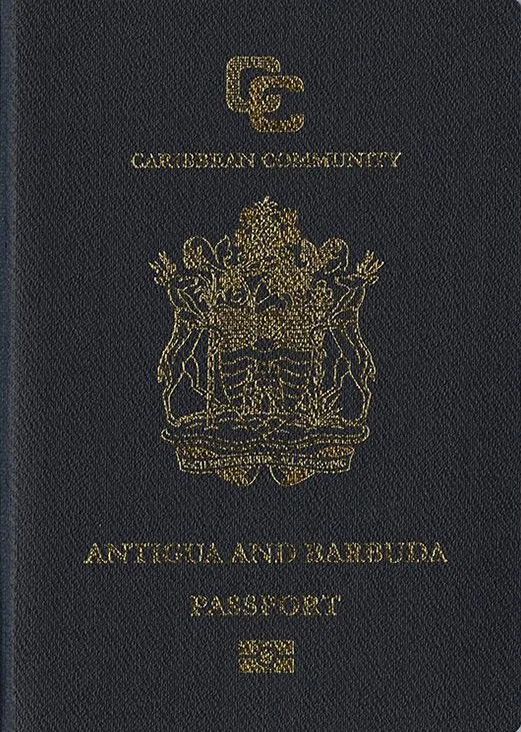
The two routes complement each other. In Vanuatu, the Development Support Program costs USD 150,000 for a married couple and USD 165,000 with one child. Antigua and Barbuda also adds family members later, a child up to five years old for USD 10,000. So if you first secure your own second passport and then have a child in a jus soli country, you can give that child several passports at once. All the figures are on the page for Antigua and Barbuda, who each programme includes is shown under Family, and all programmes side by side in the comparison.
The direct comparison of both routes, with every figure, is drawn in Birth tourism or CBI. How investment and later naturalisation work together is explained in CBI and naturalisation.
At the end stands a moment no authority can ever undo: your child did not apply for its second citizenship. It received it with its first breath.
Frequently asked questions
Which countries have jus soli?
Unrestricted birthright citizenship is found mainly in the Americas, for example in the USA, Canada, Mexico, Brazil, Argentina, Uruguay, Paraguay and Ecuador. Essentially the only children excluded there are those of foreign diplomats or government officials. Countries such as Costa Rica, Colombia, the UK and Germany grant citizenship at birth only under certain conditions.
Does my child automatically get US citizenship if born in America?
Yes. Under the 14th Amendment to the Constitution, anyone born in the USA and subject to its jurisdiction is a citizen. On 30 June 2026, in Trump v. Barbara, the Supreme Court ruled that this also applies to children whose parents are in the country unlawfully or only temporarily. The entry rules you need to know are covered in Baby born in the USA.
Does a child born in England get British citizenship?
Only if, at the time of birth, the father or mother is a British citizen or settled in the United Kingdom. If a parent later becomes British or settled, the child can be registered while still a minor. A child who spent no more than 90 days outside the country in each of its first ten years of life can also apply for registration.
Does a child born in Germany to foreign parents get a German passport?
Yes, if one parent has been lawfully and habitually resident in Germany for five years and holds a permanent right of residence (Section 4(3) StAG). The former duty to choose between citizenships as a young adult has been abolished.
Will my child lose German citizenship if born in a jus soli country?
No. If one parent is German, the child becomes German at birth under Section 4(1) StAG, and the country of birth adds its own citizenship on top. Only if the German parent was themselves born abroad after 31 December 1999 and lives there must the birth be registered within one year.
Which jus soli country in Europe gives children citizenship at birth with no conditions?
The two best-known examples, the UK and Germany, tie citizenship at birth to the parents having settled residence. If you want a passport through the place of birth alone, the countries that fit are in North and South America.
Do parents also get a passport through a child born abroad?
Not automatically. The birth gives citizenship to the child only. Whether a country opens a path to residence and naturalisation for the parents through the child varies from country to country; the details are in the country articles, for example Birth in Mexico and Birth in Brazil.
Which country of birth suits your family?
We go through the jus soli countries with you that fit your timeline and your plans. And we show you how you as parents can add a second passport of your own through citizenship by investment.
Book a consultationSources
- Supreme Court of the United States: Trump v. Barbara, No. 25-365, opinion of 30 June 2026
- Justice Laws Website (Canada): Citizenship Act, Section 3
- Suprema Corte de Justicia de la Nación (Mexico): Constitución, Artículo 30
- Câmara dos Deputados (Brazil): Constituição de 1988, Art. 12
- Argentina.gob.ar: Ley 346 de Ciudadanía, texto actualizado
- IMPO (Uruguay): Constitución de la República, Artículo 74
- Biblioteca y Archivo Central del Congreso (Paraguay): Constitución Nacional, Artículo 146
- Asamblea Nacional (Ecuador): Constitución de la República, Artículos 6 y 7
- Tribunal Supremo de Elecciones (Costa Rica): Constitución Política, Artículo 13
- MinTIC (Colombia): Constitución Política de 1991, Artículo 96
- legislation.gov.uk: British Nationality Act 1981, Section 1
- Gesetze im Internet: Section 4 of the German Nationality Act (Staatsangehörigkeitsgesetz)