
The short answer
Birth tourism gives your child the citizenship of a country that grants it by place of birth, such as the USA, Canada, Mexico or Brazil, with no government naturalisation fee, but only to the child and only at birth. Citizenship by investment (CBI) gives the whole family a passport, including children who are already born: in São Tomé and Príncipe from USD 95,000 for two to four people. German citizenship is kept in both cases. The strongest solution is often to do both.
There are two routes to a second passport for your child. One depends on where the birth takes place; the other on a decision you can make at any time. Understand both, and you stop planning one against the other and start planning them in sequence. The big picture on giving birth abroad is in our article on birth tourism, and the overview of the programmes is under buying citizenship.
What birth tourism is and what it gives your child
Birth tourism means travelling to give birth in a country that grants citizenship by place of birth, known as ius soli. There, it is not descent that decides citizenship but location. Anyone born on the country's soil is a citizen, whatever passport the parents hold.
For your child, that means three things.
First: citizenship arises by law, at the moment of birth. There is no naturalisation application, no source-of-funds check, no investment. What you apply for afterwards are documents: the birth certificate, the passport and, if you wish, registration in the German register of births. Which papers come in which order is covered in the article on paperwork after a birth abroad.
Second: it is citizenship by birth, not by naturalisation. In the USA, Mexico and Brazil, this right is written into the constitution itself. For your child, that is the strongest form a nationality can take. A passport is a right, not a permission, and a right anchored in the constitution is the most solid thing a state can grant.
Third: it covers only the child. As the mother or father, you get no passport from the birth. This is the point at which most families start to think about CBI.
A birth on foreign soil is the passport you hand your child at birth. It happens once: miss that moment and it does not come back.
Citizenship by birth: the four big countries at a glance
For German families, four countries above all are worth considering, because they apply birthright citizenship without any condition on the parents' residence. The full list is under ius soli countries.
| Country | Legal basis | Exception |
|---|---|---|
| USA | 14th Amendment to the Constitution, confirmed by the Supreme Court on 30 June 2026 | Children of foreign diplomats |
| Canada | Citizenship Act, s. 3(1)(a): born in Canada after 14 February 1977 | Children of foreign diplomats and government employees, if neither parent is a citizen or permanent resident |
| Mexico | Constitution, Art. 30 A I: born on Mexican territory, whatever the parents' nationality | none in the wording |
| Brazil | Constitution, Art. 12 I a: born in Brazil, including to foreign parents | Parents in the service of their own state |
Canada has a particular appeal for families: the passport opens the door to North America, and the rule in the Citizenship Act is short and unambiguous. Anyone born in Canada after 14 February 1977 is Canadian. The only exceptions are the children of foreign diplomats and government employees, and only if neither parent is a Canadian citizen or permanent resident.
Mexico and Brazil are the classics in Latin America. What a birth there means for the parents' residence is a topic of its own; the family route through the child is described in detail in Jus Soli and the child fast track in Latin America (in German).
Baby born in the USA: citizenship yes, and three points you need to know
Most families think of the USA first, and with good reason. A US passport is one of the strongest passports in the world. The country's highest court has settled the question: on 30 June 2026, in Trump v. Barbara, the Supreme Court ruled that children born in the USA are citizens even when their parents are in the country only temporarily. That means Executive Order 14160, which was meant to deny these children citizenship, has failed: it violates the Citizenship Clause of the 14th Amendment. Everything about giving birth in the USA after the ruling is in the article baby born in the USA. What the ruling means for families on an E-2 or L-1 visa is explained in the analysis of birthright citizenship after the Supreme Court ruling.
Even so, there are three points you need to know.
1. The visa
Since 24 January 2020, the USA has applied a clear rule to visitor visas: a B visa is not issued for the primary purpose of obtaining US citizenship for a child by giving birth in the USA. If the consular officer expects a delivery during the stay, that is exactly the purpose he will presume. For families who already live in the USA on a work or investor visa, the question looks different: their child is simply born where they live.
2. Tax
The USA taxes its citizens on their worldwide income, even if they never live in the USA. For a baby that rarely matters; for an adult entrepreneur living in Europe it very much does. Hand your child a US passport and you hand over this obligation too, so it is best built into the planning from the start. What that means in practice is set out under a US passport for your child and tax.
3. The parents
A US citizen can only sponsor their parents for a Green Card from the age of 21. So the birth protects your child first. For you, it opens a door after 21 years at the earliest.
Buying a second citizenship: what CBI gives your child
Citizenship by investment, CBI for short, works the other way round. You choose a programme, make a contribution or an investment, pass the due diligence checks, and the state naturalises you. Your spouse and your children come along in the same application.
The big difference from a birth: CBI does not wait for a particular day. You can apply when your child is three months old, twelve or seventeen. In some programmes, even when they are already at university.
| Programme | Amount with family | Children in the application | Timeline per source |
|---|---|---|---|
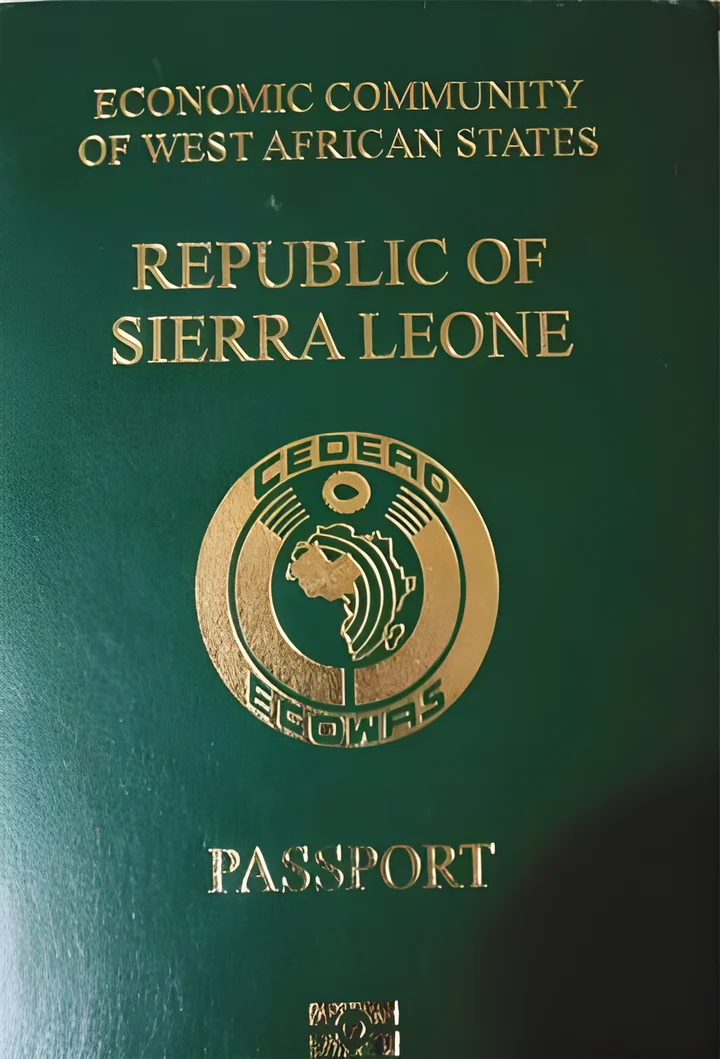
| Sierra Leone | Fast Track USD 140,000, plus USD 10,000 per child under 18 | under 18; older children USD 20,000 each | usually 90-120 days to the passport |
| São Tomé and Príncipe | USD 95,000 for two to four people | up to 30 | around two months to approval, then three to four months to the passport |
| Antigua and Barbuda | USD 230,000 per application, single person or family | up to 30 if financially dependent | not stated by the authority |
On top come government fees and due diligence fees. In Sierra Leone, for example, the filing fee of USD 4,750 and the processing fee including the background check of USD 5,000, each covering up to five people. In São Tomé and Príncipe, the filing fee of USD 5,000 per application and USD 750 per person for the citizenship documents.
Sierra Leone has a practical advantage for families: the application runs entirely remotely, with no trip and no embassy appointment, and for minors the signature of one parent with custody is usually enough. Just note: the family is included in the Fast Track and in Heritage Citizenship, whereas Solo Entrepreneur and Enterprise Citizenship do not take dependants.
If another baby arrives after naturalisation, São Tomé and Príncipe is especially family-friendly: a citizen's newborn is added up to the first birthday for USD 500.
All programmes side by side are in the comparison, the rules for spouses, parents and siblings under family, and the age up to which children can be included in the article second passport for children.
Birth tourism or CBI: the direct comparison
Put the two routes side by side and you quickly see that they answer different questions.
| Criterion | Birth abroad | CBI |
|---|---|---|
| Who gets the passport | only the child | you, your spouse, your children, and in some programmes your parents too |
| Timing | only at birth | at any time, including for children already born |
| Government cost of the citizenship | no naturalisation fee; you pay travel, clinic and stay yourself | contribution from USD 95,000 for two to four people (São Tomé and Príncipe) plus fees |
| Time on the ground | weeks in the country of birth around the delivery | no travel needed in many programmes |
| Type of right | citizen by birth, anchored in the constitution in the USA, Mexico and Brazil | naturalisation under the law of the programme country |
| Tax | US passport: tax liability on worldwide income | overview under tax |
Three things follow from this.
The birth is unbeatable when it is about the child alone. A Canadian or American passport from birth, with no naturalisation procedure, is a gift for life.
CBI is unbeatable when it is about the family. A child with a second passport whose parents hold only a German one is only half protected when it counts. Children travel with their parents, not on their own.
And: a birth can be planned, but not to the day. A premature birth, airline restrictions in late pregnancy, a visa that does not come through: any one of these can upend the plan. A CBI application depends on documents and deadlines, not on the due date.
Dual citizenship for children: the German passport stays
Many parents worry: will my child lose the German passport if it gets a second one? The answer is a clear no, in both cases.
For a birth abroad, § 4(1) StAG applies: a child becomes German at birth if one parent is German. The place of birth plays no part in this; the child holds both nationalities from the start.
There is one trap, and it affects the younger generation of parents. Under § 4(4) StAG, a child born abroad does not automatically acquire German nationality if the German parent was also born abroad after 31 December 1999 and is habitually resident there. The fix is simple: within one year of the birth, apply to have the birth registered in the German register of births under § 36 of the Civil Status Act (Personenstandsgesetz). To meet the deadline, it is enough for the application to reach the responsible German embassy or consulate in time. How this works in detail is explained in the article on German citizenship for children born abroad.
For CBI, the Nationality Modernisation Act (Staatsangehörigkeitsmodernisierungsgesetz) has applied since 27 June 2024. Since then, acquiring a foreign nationality by application no longer leads to the loss of German nationality. You no longer need a retention permit (Beibehaltungsgenehmigung), and the former option requirement has been abolished. Your child keeps the German passport, whether the second one comes through birth or through your application.
Why the smartest parents do both
Birth tourism and CBI do not rule each other out. They complement each other, and they do so over time.
You are planning another child
Then you have the rare chance to combine both. A birth in Canada or the USA gives the child a strong passport from birth. A CBI application gives you as parents a second passport of your own, and with it the siblings who are already here. Check beforehand whether, and on what terms, the programme accepts a child born later.
Your child is already born
Then birth is no longer an option. CBI is now the route that still gives your child a second passport, and together with you. The younger the child, the easier it is: children under 18 are included in every programme with a family option.
You think in decades
Then naturalisation through residence comes into play. It is the free route and often the best one in the end, but it takes years and requires genuine residence. CBI buys you that time: the family has a second passport straight away while you work towards naturalisation. How the two fit together is shown in the article CBI and naturalisation.
Whatever you decide: a second passport for your child is not a luxury. It is the freedom to choose later where to study, work and live. The best reasons for it are under why a second passport, and how an application runs is shown under process.
Make the decision with four questions
If you are unsure, answer these four questions honestly. Within a few minutes they show you which route comes out ahead.
- Who should be protected? Only the child: a birth abroad is enough. The whole family: you need CBI.
- When do you need the passport? Only in twenty years, once the child is an adult: the birth fits. For the whole family within the next few months: only CBI can do that, in Sierra Leone usually in 90-120 days from complete application to passport.
- How flexible are you around the due date? Weeks abroad, choice of clinic, visa, insurance: if that does not fit into your life, CBI is the calmer route.
- Which country should it be? If you want North America, there is hardly a way around a birth in Canada or the USA. If you want freedom to travel, a predictable procedure and no move, you will find all of that in a programme.
If CBI comes out ahead in at least two answers, the programme is your first step. If the birth comes out ahead and you are planning a child anyway, take both: the birth for the child, the programme for everyone.
Frequently asked questions
Is birth tourism legal?
In countries that grant citizenship by place of birth, citizenship arises by law the moment your child is born there. What matters is how you enter: since 24 January 2020 the USA no longer issues a B visa whose primary purpose is to obtain US citizenship for a child by giving birth there, and it presumes that purpose if a delivery is expected during the stay. Answer every question in the visa or entry process truthfully and plan the birth with the right residence status.
Do the parents also get a passport through the birth?
No, not automatically. In the USA a child can only sponsor its parents for a Green Card from the age of 21. If you want a second passport of your own right away, CBI or later naturalisation gets you there faster.
Will my child lose German citizenship?
No. A child with a German parent becomes German at birth under § 4(1) of the Nationality Act (StAG), even when born abroad. And since 27 June 2024, acquiring another nationality by application no longer leads to its loss either. Just watch the application to register the birth within one year if the German parent was born abroad after 31 December 1999 and lives there.
Can I add a newborn to the CBI application later?
Each programme sets its own rules. São Tomé and Príncipe adds a citizen's newborn up to the first birthday for USD 500. In Sierra Leone, adding someone to an application already filed or completed is generally not provided for, so planning before you file pays off there.
Which is cheaper, giving birth abroad or CBI?
Citizenship by birth carries no government naturalisation fee, but you pay for travel, the clinic, accommodation and weeks on the ground, and only the child benefits. CBI costs more but covers the whole family: in São Tomé and Príncipe USD 95,000 for two to four people plus fees. The figures are set out under costs.
Up to what age can children be included in a CBI application?
Children under 18 are included in every programme with a family option. Many programmes go further: São Tomé and Príncipe accepts children up to 30, and so does Antigua and Barbuda as long as they are financially dependent on you. All age limits are listed under second passport for children.
Which route suits your family?
We work through with you whether a birth abroad, a programme for the whole family or both together will do most for you. In the consultation you set the roadmap, matched to your timeline.
Book a consultationSources
- Supreme Court of the United States: Trump v. Barbara, No. 25-365, decided 30 June 2026
- Federal Register: Visas, Temporary Visitors for Business or Pleasure, 22 CFR 41.31 (24 January 2020)
- IRS: U.S. citizens and resident aliens abroad
- USCIS: Bringing Parents to Live in the United States as Permanent Residents
- Justice Laws Website: Citizenship Act (R.S.C., 1985, c. C-29), s. 3
- Suprema Corte de Justicia de la Nación: Constitución Política de los Estados Unidos Mexicanos, Art. 30
- Câmara dos Deputados: Constituição da República Federativa do Brasil 1988, Art. 12
- Gesetze im Internet: § 4 Nationality Act (StAG)
- Federal Foreign Office: Nationality Modernisation Act, in force since 27 June 2024
- Citizenship by Investment Unit São Tomé and Príncipe: Investment Structure
- Citizenship by Investment Unit Antigua and Barbuda: Dependants
- sierraleonepassport.com: programmes, family and fees