
The short answer
Under section 1(3) of the Passport Act, a second German passport is allowed only if you prove a legitimate interest, for example because business travel means you have to apply for several visas at once, or because one country's entry stamps make it harder to enter another. It is valid for six years and costs €70 from age 24. But it remains a document of the same state and shares the fate of your first passport. Only a second citizenship gives you independence, and since 27 June 2024 Germans can acquire one without losing their German citizenship.
Two passports in the drawer sound like freedom. Whether they really are comes down to a single question: who issued them? Two German passports are two documents from one state. A German passport plus one from another country means two states that recognise you as their citizen. At the visa counter, the first is often enough. For everything that truly matters to you, you need the second.
What is a second German passport?
A second German passport is an additional, fully valid passport of the Federal Republic of Germany, issued to the same person, with the same personal details, by the same state. Passport offices and citizens' service centres simply call it a second passport. It is not a different document, not a special passport and not a replacement, but a second copy of what you already hold.
The basic rule is in section 1(3) of the Passport Act (Passgesetz, PassG): no one may hold more than one passport of the Federal Republic of Germany unless a legitimate interest in being issued several passports is proven. The ban is the norm; the second passport is the exception. If you want one, you have to explain why a single passport is not enough.
Two further provisions of section 1 put the document in context: a passport may be issued only to Germans, and it is the property of the Federal Republic of Germany. That applies to the first passport as much as to the second. You hold both in your hand, but both belong to the state that issued them.
Not every second passport is the same
When people talk about a second passport in everyday life, they usually mean something else: the passport of a second state, in other words a second citizenship. The mix-up is understandable, because both routes end with two passports in your pocket. The difference lies in who stands behind those passports.
What grounds are enough for a second passport?
The Passport Act only speaks of a "legitimate interest" and leaves the interpretation to the passport authorities. How strict they are is shown by the City of Cologne, which describes the procedure in detail. It names two typical grounds:
- Frequent business travel to countries that require a visa. If you have to apply for several visas at the same time, you need more than one passport, because many consulates keep your passport for as long as they process the application.
- Entry problems caused by stamps. Cologne's example is Israeli entry stamps when you then want to travel to Arab states, which might refuse you entry.
The city is just as clear about what does not count. Precautionary or general reasons are not enough. Frequent travel abroad does not automatically justify a second passport. And even if you have held two passports before, you still have to justify the new application.
Second passport justification: a template to build on
All you need is a short, factual letter that makes the authority's review easy. You can use this outline as a template:
- Reason: What do you need two passports for? For example, regular business trips to countries that require a visa, or an itinerary on which an entry stamp from one country puts your entry into the other at risk.
- Frequency and period: How often do you travel, to which countries, at what intervals? Specific dates carry more weight than general statements.
- Why at the same time: Explain that one passport sits with an embassy or consulate while you need to travel on the other, or which stamps make which entry difficult.
- Evidence: Visas and stamps in your current passport, invitations or travel plans. Cologne explicitly requires proof of the legitimate interest.
- Closing: One sentence stating that you are applying for a second passport under section 1(3) of the Passport Act.
A letter that only says "I travel a lot" will fail. A letter that shows why a single passport makes your travel practically impossible stands a good chance.
Applying for a second passport: documents, costs and processing time
The application works like any other passport application. You appear in person, as section 6 of the Passport Act requires, because your fingerprints are taken. According to the City of Cologne, you bring:
- your current passport or identity card,
- a recent biometric passport photo,
- proof of the legitimate interest,
- depending on your marital status, your birth, marriage or civil partnership certificate.
For minors, one parent applies, and the child must be present. If you live abroad, the competent German embassy or consulate is your passport authority.
The fees are set out in section 27 of the Passport Regulation (Passverordnung, PassV) and apply to the second passport exactly as to the first:
| Service | Fee | Note |
|---|---|---|
| Passport, age 24 and over | €70 | basic fee |
| Passport, under 24 | €37.50 | basic fee |
| Express service | €32 extra | full passport |
| 48 instead of 32 pages | €22 extra | for frequent travellers |
| Temporary passport | €26 | valid for one year at most |
At a German mission abroad, the same provision adds €36 to the basic fee. If you apply at an authority that is not responsible for you, the fee doubles.
How long is the second passport valid?
Here lies a difference many people overlook. Under section 5(1) of the Passport Act, a passport issued from age 24 is valid for ten years, but a second passport under section 1(3) only for six years, regardless of age. It cannot be extended. When it expires, you file a new application and justify it again.
As for processing time, Cologne currently quotes about three to four weeks for a regular passport. The express passport usually arrives within four working days, although the Bundesdruckerei (the federal printing works) gives no guarantee for this. The fastest option is the temporary passport, but it is valid for one year only.
Why a second German passport is not a plan B
At the visa counter, a second German passport is an excellent tool. As a safeguard, it is no use. The reason is written into the Passport Act itself.
Section 7(1) of the Passport Act lists the grounds on which a passport must be refused. Among them: when certain facts justify the assumption that you intend to evade your tax obligations. The law hinges on an assumption, not on a final judgment. Section 8 applies the same grounds to a passport you already hold: it can be taken away from you if such facts come to light. Further grounds concern criminal prosecution, maintenance obligations and people liable for military service who want to leave the country for more than three months without a required permit. This permit requirement under the Compulsory Military Service Act (Wehrpflichtgesetz) has been suspended since 17 April 2026, but it can return at any time. What that means for you is explained in conscription.
Sebastian Sauerborn personally knows at least four people whose German passport was withheld or declared invalid over tax matters.
These rules make no distinction between a first and a second passport. Both are the property of the same state, and both are subject to the same grounds for refusal and withdrawal. When the passport authority decides, it decides about you, not about a single document. A second German copy doubles the paper, not the security. How far these powers reach is shown in passport withdrawal, and the tax side is covered in depth in passport withdrawal over tax debts (in German).
One thing is also clear: a passport from another state is not a way around a travel ban, a court order or a passport withdrawal. It is the lawful way to keep travelling when your German passport is lost, stolen or held abroad. And it gives you something no German document can: a second country that recognises you as a citizen and that you may enter at any time. What that looks like in an emergency is described in lost passport abroad.
Passport or citizenship: what really counts
A passport is a document. Citizenship is a legal relationship. The document proves the relationship, but it is not the same thing. That is why comparing a second German passport with a second citizenship is not a comparison of two versions of the same thing:
| Question | Second German passport | Second citizenship |
|---|---|---|
| Who issues it? | Germany | another state |
| Requirement | legitimate interest | naturalisation, descent or investment |
| Validity | six years | permanent, the passport is renewed |
| If Germany withdraws your passport | affected | unaffected |
| Second home country | no | yes |
A passport is a right, not a permission. A visa can be refused or revoked; citizenship gives you an entitlement. The country whose citizen you are must let you in. It issues you passports, grants you consular protection and lets you live and work there. And in many countries you pass this citizenship on to your children. Why that is worth more than any visa is explained in a right, not a permission. The full difference between passport, ID card and citizenship is also explored in Passport, ID or citizenship (in German).
Since 2024, your second passport no longer costs you your first
For a long time, a second citizenship was risky for Germans because it could cost them their German one. That is over. With the reform of nationality law, the retention procedure was abolished as of 27 June 2024. The Federal Office of Administration puts it plainly: multiple citizenship is generally accepted in Germany. You acquire the second citizenship and keep your German one, with no application and no permit in Germany. For an overview of everything that has applied since then, see dual citizenship for Germans; the details of holding both passports side by side are in CBI passport and German passport.
How to get a second citizenship
There are three routes, and they are not mutually exclusive.
Naturalisation through residence. The route without investment and, in the end, the best one, but it takes years and requires genuine residence in the new country.
Descent. If your parents or grandparents come from another country, you can often become a citizen without moving. That takes documents and a willingness to dig through the family archive.
Citizenship by investment. The fast route. Several states grant citizenship in return for a contribution to a government fund or an approved investment, without relocating and without giving up your German passport:
| Programme | Entry point | Good to know |
|---|---|---|
| Dominica | USD 200,000 fund contribution, single applicant | also via real estate from USD 200,000 |
| St Kitts and Nevis | USD 250,000 contribution, up to four people | also via real estate from USD 325,000 |
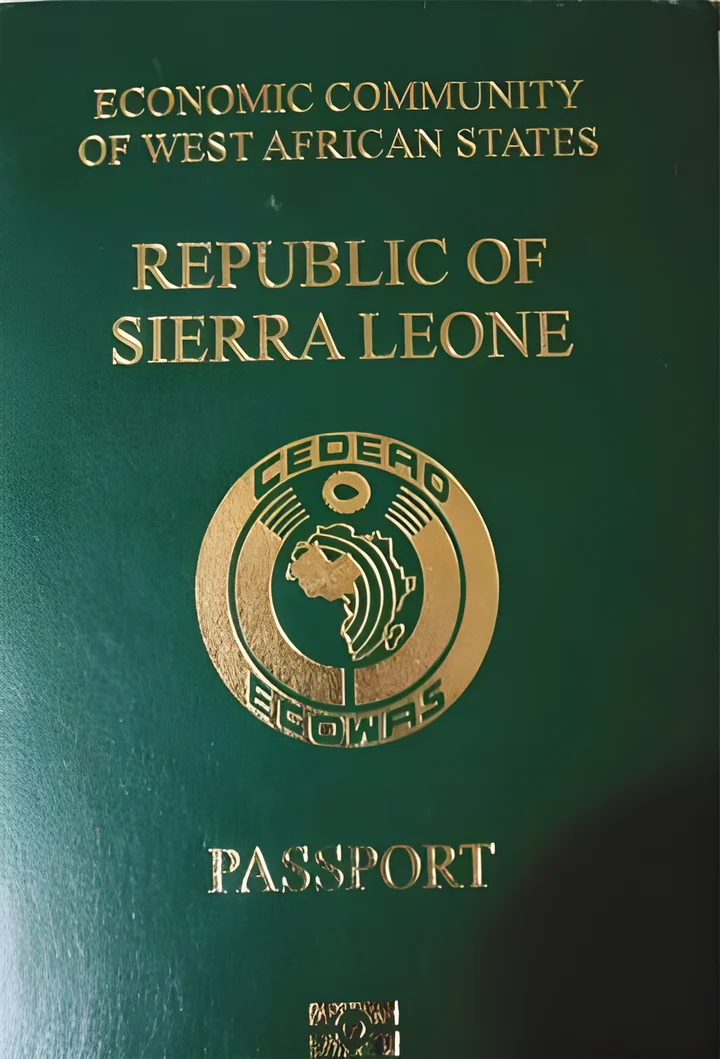
| Sierra Leone | application entirely remote | passport usually after 90-120 days |
Government fees and due diligence fees come on top. All programmes in detail are in the comparison, what an application costs in total is under costs, and which family members you can include is under family. For an introduction to the topic, see buying citizenship.
The smartest plan combines two routes: citizenship by investment protects you within a few months, while naturalisation through residence runs in parallel. Why the two belong together is shown in CBI and naturalisation.
Travelling with two passports: the rules for Germans
If you hold a second passport from another state, there is nothing new to learn at the German border. The Federal Foreign Office points out that, under international practice, dual nationals should enter and leave Germany only on a German passport or passport substitute. With the other state, you use its passport. In third countries, you choose the passport with the better entry conditions. How to handle this smoothly at check-in and at the border is explained in travelling with multiple passports.
What matters is the truth on every form. If a state asks for all your nationalities, you list them all. That also applies to the US ESTA application. What exactly applies there is covered in ESTA with a second citizenship.
And if your German passport expires abroad?
This is another moment when the difference becomes visible. If you live abroad, you apply for a new German passport at the embassy or consulate, in person and with a wait. With a second German passport, you have a back-up document from the same authority. With a passport from another state, you have a second, independent way to travel in the meantime. How renewal works at the embassy or consulate is described in renewing your German passport abroad (in German).
When a second German passport still makes sense
The second German passport has its place, and for many business people it is indispensable. If you travel to several countries that require a visa every year, it saves you weeks of waiting. If you visit countries whose entry stamps raise questions elsewhere, two passports keep the two travel routes neatly apart. That is what it is made for, and for those purposes it works well.
The two routes even complement each other. If you have a second citizenship, you keep your German passport and, with a legitimate interest, can also apply for a second German one. What the second German passport does not deliver is the protection people mean when they talk about a plan B. For that, you need a second state. The reasons for it are summed up in why a second passport, and the complete route to your own second passport is described in the second passport guide.
Frequently asked questions
Can you have two German passports?
Yes, but only as an exception. Section 1(3) of the Passport Act prohibits holding more than one German passport unless you prove a legitimate interest in a second one. Passport authorities such as the City of Cologne name two typical grounds: parallel visa applications for frequent business travel, and entry stamps that make it harder for you to enter other states.
What grounds do I need for a second passport?
Specific ones. The City of Cologne states explicitly that precautionary or general reasons are not enough and that frequent travel abroad does not automatically justify a second passport. Describe the occasion, how often it arises and why you need two documents at the same time, and enclose evidence such as visas or stamps in your current passport.
How much does a second passport cost?
The same fee as any passport: €70 from age 24, €37.50 for younger applicants. The express service adds €32, and 48 instead of 32 pages adds €22. A temporary passport costs €26. At a German mission abroad, €36 is added to the passport fee.
How long is a second German passport valid?
Six years, regardless of your age. Section 5(1) of the Passport Act sets this explicitly for the case of section 1(3). It cannot be extended; before it expires, you file a new application and justify it again.
Can I apply for a second passport abroad?
Yes. If you live abroad, you apply to the competent German embassy or consulate. You appear in person because your fingerprints are taken, and there too you have to prove a legitimate interest.
Does a second German passport protect me from having my passport withdrawn?
No. Both documents are the property of the Federal Republic of Germany, and the grounds for refusal and withdrawal in sections 7 and 8 of the Passport Act apply to every German passport. Only a second citizenship makes you independent of that one authority. More on this under passport withdrawal.
Do I need permission in Germany to take a second citizenship?
No, not any more. Since 27 June 2024 Germany generally accepts multiple citizenship, and the former retention procedure has been abolished. The background is explained in retention permit.
A second document or a second country?
We work out with you whether a second German passport is enough or whether you need a second citizenship, and which route fits you, your family and your timeline.
Book a consultationSources
- Passport Act (PassG), section 1: passport requirement, multiple passports, property of the Federal Republic
- Passport Act (PassG), section 5: period of validity
- Passport Act (PassG), section 6: issuing a passport
- Passport Act (PassG), section 7: refusal of a passport
- Passport Act (PassG), section 8: withdrawal of a passport
- Passport Regulation (PassV), section 27: fees
- City of Cologne: second passport (Zweitpass)
- Federal Foreign Office: passports and identity cards
- Federal Office of Administration: retention of German citizenship
- Citizenship by Investment Unit Dominica: SRO No. 8 of 2024
- Citizenship by Investment Unit St Kitts and Nevis: Sustainable Island State Contribution
- Sierra Leone: sierraleonepassport.com
- Federal Ministry of Defence: general exemption from the permit requirement under section 3(2) WPflG (BAnz AT 16.04.2026 B3)