The short answer
Citizenship by investment costs from a contribution of USD 90,000 (São Tomé and Príncipe) up to USD 250,000 (St Kitts and Nevis), depending on the programme, plus government application and due diligence fees; real estate routes start at USD 200,000 and can be sold again after a holding period of three to seven years. Unlike an insurance policy, you pay this premium only once, and it often covers the whole family. A second passport pays off when your freedom of movement, your business or your family depends on a single passport and the amount stays small relative to your wealth.
Nobody buys insurance because they expect the loss. You buy it because you cannot afford the loss. A second passport works the same way. It is neither a luxury purchase nor a bet, but cover against situations in which one passport is not enough. How it fits into an overall strategy is set out in the second passport guide. What matters is the sober calculation: premium, cover, term, and the question of when the numbers work for you.
How much does it cost to buy citizenship?
Anyone asking about the cost wants to hear one number. The honest answer is several. The largest item is the contribution to a government fund. It is the actual premium, and it is fixed by law. On top come government fees for the application, the review and the certificate, due diligence on every adult, and the incidental costs of documents, translations and certifications.
| Programme | Contribution | Who it covers | Government fees (selection) |
|---|---|---|---|
| Sierra Leone, Fast Track | USD 140,000 | main applicant, dependants from USD 10,000 per person | USD 4,750 filing, USD 5,000 processing incl. background check, each for up to 5 people |
| São Tomé and Príncipe | USD 90,000 / USD 95,000 | single applicant / family of 2-4 | USD 5,000 filing per application, USD 750 documents per person |
| Vanuatu | USD 130,000 / USD 150,000 | individual / married couple | USD 5,000 due diligence fee per applicant |
| Dominica | USD 200,000 / USD 250,000 | single applicant / with up to three dependants | USD 7,500 due diligence fee, USD 1,000 processing |
| Antigua and Barbuda | USD 230,000 | per application, individual or family | USD 10,000 processing for a single applicant, USD 8,500 due diligence fee |
| Grenada | USD 235,000 | main applicant with up to three dependants | USD 1,500 application, USD 1,500 processing, USD 1,000 interview, USD 6,000 due diligence fee per person aged 17 and over |
| St Kitts and Nevis | USD 250,000 | main applicant or family of up to four | USD 250 application per person, USD 10,000 due diligence fee |
The range is wide. The Caribbean programmes sit at the top end, the African ones at the bottom. Some contributions cover a family of up to four, others count every person separately. If you only look at the entry price, you often end up comparing apples with oranges. Every item from the contribution to the last fee is on the costs page, and the programmes side by side in the comparison.
For an overview of the three routes to a second citizenship (naturalisation, descent and investment) and what each one costs, see acquiring a second citizenship on wohnsitzausland.com (in German). For the insurance calculation it is the third route that counts, because only it delivers cover in months rather than years.
What a second passport insures you against
A policy is only as good as the risks it covers. Before you think about the size of the premium, it pays to look at the insured events. There are four, and each one hits people who were firmly convinced beforehand that it would never happen to them.
The passport that is no longer in your hands
The German Passport Act (Passgesetz) is clearer than most people think. Under section 7(1) no. 4 PassG, a passport must be refused if facts justify the assumption that someone intends to evade their tax obligations. Section 8 PassG allows a passport that has already been issued to be withdrawn on the same grounds. The law relies solely on facts that justify this assumption; it says nothing about a final tax assessment. If refusal would be disproportionate, the authority refrains from it where restricting the passport's territorial scope or period of validity is enough.
Sebastian Sauerborn personally knows at least four people whose German passport was retained or declared invalid over tax matters.
A second passport does not lift any German measure, and it is no way around a passport withdrawal, an exit ban or a court order. What it does is something else: your existence as a citizen no longer depends on a single state. What the Passport Act allows in detail is covered in passport withdrawal.
The passport you are missing abroad
The most common insured event is also the most mundane. Passports get stolen, go missing or sit at an embassy for weeks because you applied for a visa. If you have a second valid passport in your pocket, you travel on lawfully instead of waiting for an emergency travel document. What to do step by step in that situation is described in lost passport abroad.
The door that closes in a crisis
When a situation escalates, your status decides where you are allowed in. A visa, and a Golden Visa too, remain permissions that can be refused, not renewed or revoked. Citizenship is a right. With it you have a second country you enter as a citizen, and a second state responsible for you.
The family that should come along
The fourth insured event is the one parents think of first. A Plan B that only covers you is no Plan B. Most programmes include spouses and children in the same application, some also parents, grandparents and siblings. Each family member thereby becomes a citizen in their own right, with their own passport and their own right of entry. Which programmes include whom is shown in the overview on family.
A one-off premium instead of monthly payments: the cost per year
This is where a second passport differs from every other insurance you hold. You pay the premium once. After that the cover runs without a new bill arriving every year. That is why it is worth calculating the cost the way you would calculate a policy: spread over the years and over the people covered.
Example 1: family with two children in São Tomé and Príncipe
- Donation for a family of two to four: USD 95,000
- Filing fee: USD 5,000
- Citizenship documents for four people at USD 750 each: USD 3,000
- Total: USD 103,000 in contribution and government fees
Spread over 25 years, that is around USD 4,120 a year for the whole family, or around USD 1,030 per person per year. Professional fees, translations and certifications come on top but do little to change the order of magnitude.
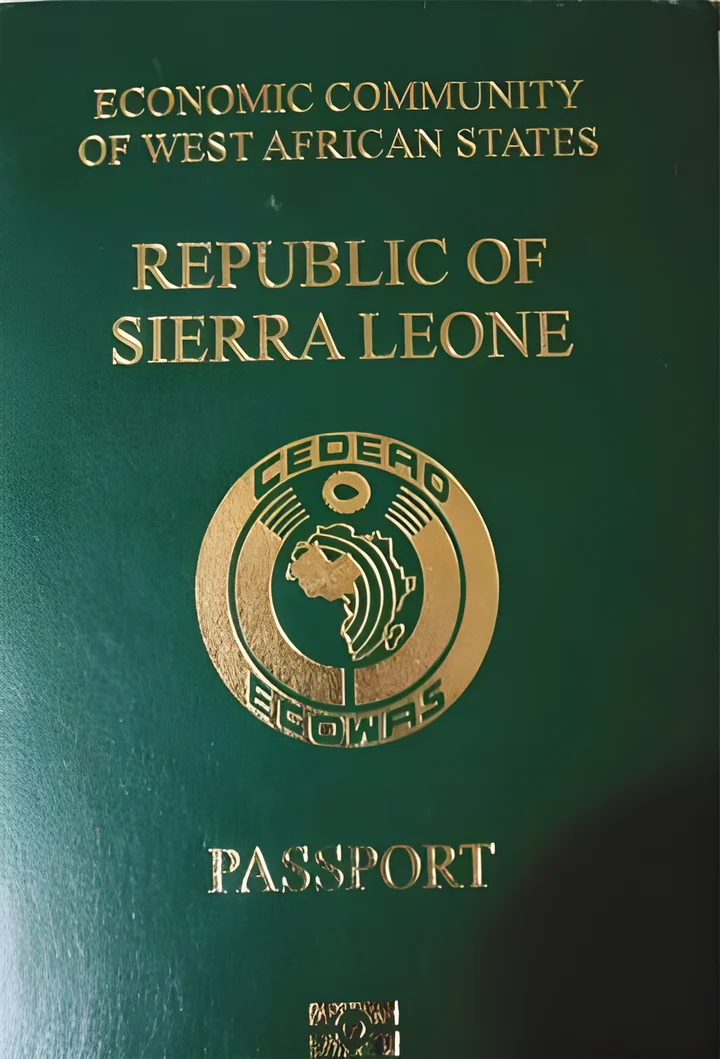
Example 2: family with two children in Sierra Leone
- Fast Track Citizenship, main applicant: USD 140,000
- Spouse and two children under 18 at USD 10,000 each: USD 30,000
- Filing fee and processing fee including background check, for up to five people: USD 9,750
- Total: USD 179,750
Spread over 25 years, that is around USD 7,190 a year for four people. In return, Sierra Leone's Fast Track also takes in parents, grandparents and siblings, the application runs entirely remotely and usually takes 90-120 days from complete application to passport. The programme fee sits in an escrow account until naturalisation. If the naturalisation cannot be completed, it is returned, except for filing and processing costs.
Cover that grows with you
A policy that takes in children later is worth more than one that ends at signature. Dominica allows a minor child to be added to the citizenship even after naturalisation. São Tomé and Príncipe lists a fee of USD 500 for newborns up to one year old who are added later.
Donation or real estate: a lost premium or parked wealth?
The fund contribution is final. It is pure premium, and that is precisely its strength: the price is clear, nothing stays tied up, nothing needs managing. The real estate route works differently. You buy an approved property, hold it for a prescribed period and may then sell it. Your capital remains an asset; the actual premium is the fees, the return you forgo and the risk on resale.
| Programme | Minimum property amount | Holding period | In addition |
|---|---|---|---|
| Dominica | USD 200,000 | three years from naturalisation, five when sold to a CBI applicant | government fee USD 75,000, with up to three dependants USD 100,000 |
| Antigua and Barbuda | USD 300,000 | five years | processing and due diligence fees |
| St Kitts and Nevis | USD 325,000 | seven years | fee after approval, USD 25,000 for the main applicant or a family of up to four |
| Grenada | USD 350,000 | five years from naturalisation | USD 50,000 government contribution |
| Türkiye | USD 400,000 | three years, sale restriction in the land register | residence permit before the application |
Which route makes sense for you depends less on the passport than on how your wealth is structured. If you hold liquidity in real assets anyway, a property can lower the premium. If you prefer to invest your capital yourself and freely, the contribution often works out cheaper, because no fee, no lock-in and no resale risk hang on your citizenship. The types of investment are explained in detail in donation, real estate, government bonds.
When a second passport pays off for you
Insurance pays off when the premium is small relative to what would be lost if the insured event happens. With a second passport, this comes down to five questions.
- How large is your wealth relative to the premium? The smaller the premium compared with what you own, the clearer the case. If you own a multiple of the contribution, you pay a small fraction for the cover, much like buildings insurance relative to the value of the house.
- How much does your income depend on your freedom of movement? Entrepreneurs with clients, companies or property in several countries lose more when they are stuck than employees whose job is where they live.
- How many people do you want to cover? The more family members a contribution includes, the lower the price per head. In São Tomé and Príncipe a family of four costs only USD 5,000 more in donation than a single application.
- How long should the cover run? Citizenship is not an annual contract. It stays with you for life, and with many programmes you can add children later. The younger you and your children are, the longer the one-off premium keeps working.
- What should the second passport do? Every programme gives you a second travel document for emergencies. If you also want to reach particular destinations without a visa, check before choosing which passport covers them.
If at least three of these questions point towards cover, a second passport is no luxury for you but a remarkably cheap policy. If you are first looking for an affordable way in, you will find the programmes with the lowest amounts in cheapest citizenship by investment.
A word on tax, because the question comes up in every calculation. Under section 1(1) of the Income Tax Act (Einkommensteuergesetz, EStG), individuals who have a residence or their habitual abode in Germany are subject to unlimited income tax liability there. Citizenship plays no part in this. So a second passport saves you no tax, but it does not cost you any extra in Germany either. What counts for tax when you move abroad is set out under taxes.
Your obligations: what the policy requires after naturalisation
Every insurance policy comes with obligations: duties you have to meet so that the cover stays in force. With a second passport they are manageable, but you should know them before you decide on a programme.
- No residence required: Dominica requires no residence either before or after naturalisation. Grenada requires no visit before, during or after the application. São Tomé and Príncipe requires no stay and no move. Sierra Leone runs entirely remotely, with no travel and no embassy appointment.
- Minimum stay in Antigua and Barbuda: anyone naturalised through the programme must spend at least five days in the country within five calendar years. Missing this can mean losing the citizenship again, and amounts paid are not refunded.
- Biometrics in St Kitts and Nevis: since 14 April 2026, everyone naturalised through the programme, including dependants and children, must complete biometric enrolment. The deadline runs until 31 July 2027.
- Holding period in Türkiye: naturalisation is revoked if the investment conditions are not maintained for the prescribed period.
- Passport renewal: passports expire. The Sierra Leone passport is currently issued with five years' validity and can be renewed digitally, without travelling. In Vanuatu the passport is valid for five years at most.
Then there is a point every policy holder knows: the terms can change. Visa-free travel is not a permanent feature of a passport but the result of agreements. For Vanuatu, the EU has suspended visa-free travel to the Schengen area. That is why visa-free access belongs under scrutiny when you choose a programme, and the comparison sets it alongside processing times and passport validity. Your right to enter your second country is not affected by such a decision.
Benefits of dual citizenship: you keep your German passport
For a long time the policy came with a high deductible for Germans: anyone who acquired a foreign citizenship at their own request generally lost their German one or needed a retention permit (Beibehaltungsgenehmigung) beforehand. That is over. Since 27 June 2024, acquiring a foreign citizenship no longer leads to the loss of German citizenship, and you no longer need a retention permit.
On the other side, too, holding several citizenships is no obstacle. Dominica recognises dual citizenship and does not require you to give up other citizenships. Sierra Leone accepts multiple citizenships without restriction.
That changes the calculation fundamentally. You are not trading anything in; you are adding something. The German passport remains your strong document for travel in calm times and for returning to Germany. The second one is the policy for the day you need another. Why passport, residence and accounts together give you full cover is described on your second passport as personal freedom insurance at Perspektive Ausland (in German).
If you do not want to buy a passport at all at first, but simply secure an affordable fallback, you can start with a residence permit. How that works is shown in the overview of Latin America as your Plan B. But it remains a permission, not a right. Only citizenship gives you full cover.
Second passport as insurance: the key points at a glance
- The premium for a fund contribution lies between USD 90,000 and USD 250,000, plus government fees. Real estate routes start at USD 200,000 and can be sold after three to seven years.
- The cover includes a passport that is retained, lost or held abroad, the door that closes in a crisis and, depending on the programme, your whole family.
- The term is lifelong, for a one-off payment. Spread over 25 years, a family in São Tomé and Príncipe pays around USD 4,120 a year in contribution and government fees.
- The obligations are light: no residence for most programmes, five days in five years in Antigua and Barbuda, biometrics by July 2027 in St Kitts and Nevis.
- The deductible is gone: since 27 June 2024 you keep your German passport.
The most expensive policy is the one you did not take out before the loss occurred. A second passport cannot be bought in the week you need it. It is applied for, checked and issued in calm times, so that it is ready when it matters.
Frequently asked questions
How much does it cost to buy citizenship?
Across the established programmes, the contribution to the government fund ranges from USD 90,000 (São Tomé and Príncipe, single applicant) to USD 250,000 (St Kitts and Nevis, main applicant or a family of up to four). On top come government application, due diligence and document fees, professional fees, and the cost of translations and certifications. Every item in detail is on the costs page.
Which is the cheapest citizenship by investment for the whole family?
Going by the published amounts, São Tomé and Príncipe is the cheapest: a USD 95,000 donation for a family of two to four, plus a USD 5,000 filing fee and a USD 750 document fee per person. For a family of four that comes to USD 103,000 in contribution and government fees. Nauru asks a lower contribution until 31 December 2026, USD 92,000 for a couple with two children under 16, but with its fees that family pays USD 115,700. Whether the cheapest programme is also the right one depends on whom you want to include and what you need the passport for; more in cheapest citizenship by investment.
Do I get the money for a second passport back?
A contribution to a government fund is final: it is the premium. On the real estate route your capital remains an asset and may be sold after the holding period, for example after seven years in St Kitts and Nevis, or three years from naturalisation in Dominica (five years there if the buyer uses the property for their own citizenship application). In Sierra Leone the programme fee sits in an escrow account until naturalisation and is returned if the naturalisation cannot be completed; filing and processing costs are excluded.
Is a second passport worth it if I keep living in Germany?
Yes, and that is exactly when it makes sense. Dominica and São Tomé and Príncipe require no residence, Grenada does not even require a visit, and Sierra Leone runs entirely remotely. You carry on living as before and hold the second citizenship for the day you need it. The passport does not change your German tax liability, because that is tied to your residence or habitual abode.
Will I lose my German passport if I buy a second citizenship?
No. Since 27 June 2024, acquiring a foreign citizenship at your own request no longer costs you your German citizenship, and a retention permit (Beibehaltungsgenehmigung) is no longer needed. You keep your German passport and add the second one alongside it.
Are there running costs after the purchase?
Hardly any, but there are obligations. Passports have to be renewed: the Sierra Leone passport is currently issued for five years and renewed digitally. Antigua and Barbuda requires at least five days in the country within the first five calendar years, and St Kitts and Nevis requires everyone naturalised through the programme to complete biometric enrolment by 31 July 2027.
What are the benefits of dual citizenship?
You gain a second country you enter as a citizen, a second travel document when the first passport is missing, and a second state responsible for you. Depending on the programme, your whole family receives the same rights. Eight reasons at a glance are in why a second passport.
Work out your policy with us
Together we go through which risk you want to cover, who belongs on the application and which programme fits, so that you neither over-insure nor under-insure.
Book a consultationSources
- Passport Act (Passgesetz, PassG) § 7: refusal of a passport
- Passport Act (Passgesetz, PassG) § 8: withdrawal of a passport
- Income Tax Act (Einkommensteuergesetz, EStG) § 1: tax liability
- Federal Foreign Office: the new citizenship law since 27 June 2024
- Citizenship by Investment Unit São Tomé and Príncipe: Investment Structure
- Citizenship by Investment Unit Dominica: FAQs
- Citizenship by Investment Unit Dominica: S.R.O. No. 8 of 2024
- Citizenship by Investment Unit St Kitts and Nevis: Real Estate Investment
- Citizenship by Investment Unit St Kitts and Nevis: National Biometric Enrolment
- Citizenship by Investment Unit Antigua and Barbuda: Citizenship
- Investment Migration Agency Grenada: FAQs
- sierraleonepassport.com: FAQ
- Vanuatu Citizenship Office and Commission: Press Release, 2 December 2024