The short answer
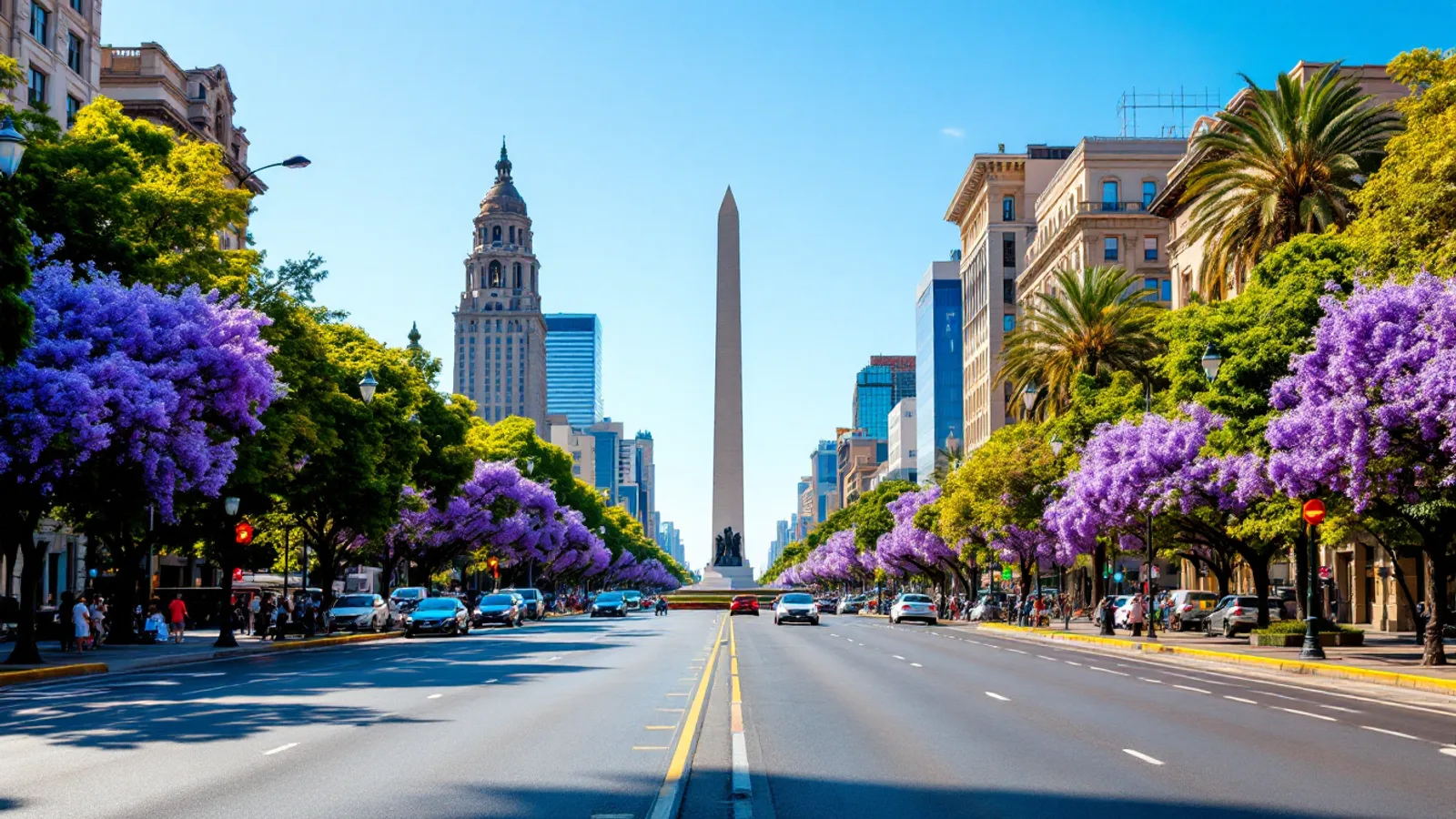
Naturalisation is fastest in Latin America. The Dominican Republic's law sets six months for anyone who owns property or has founded a business in the country, two years otherwise. Argentina and Peru require two years of residence under current law, Brazil one year for spouses and parents of Brazilian children. Canada, with 1,095 days in five years, and Uruguay, for foreigners with family in the country, offer naturalisation after three years, while Germany has abolished that shortcut. Only a passport by investment is faster than any naturalisation: Sierra Leone usually issues it 90-120 days after the complete application.
A passport is a right, not a permission. A visa can be refused and a residence permit revoked, but citizenship cannot. That is exactly why every year between your first residence permit and your passport counts. How naturalisation abroad works in principle is set out in the overview naturalisation abroad. What matters here is a single question: where do you reach the goal fastest?
Which country naturalises you the fastest?
Speed is set mainly by the residence period: the time you must have lived legally in the country before you may apply. You'll find the shortest statutory periods above all in Latin America.
| Country | Residence period | Shortcut or catch | More |
|---|---|---|---|
| Dominican Republic | 6 months with property or your own business, otherwise 2 years | investor residence from USD 200,000, test in Spanish | Dominican Republic |
| Argentina | 2 years uninterrupted | not a single trip abroad under Decree 366/2025, which is before the Corte Suprema | Argentina |
| Peru | 2 years, as long as Ley 26574 applies | 5 years once the Reglamento to Ley 32421 is published | Peru |
| Brazil | 4 years | 1 year with a Brazilian spouse or child | Brazil |
| Uruguay | 5 years without family | 3 years with family in the country | Uruguay |
| Canada | 1,095 days in 5 years | presence counted day by day | Canada |
| Germany | 5 years | shortcut to 3 years abolished | Dual citizenship |
The residence period is not the whole journey, though. Before it always comes the first residence permit, and after it the processing of your application. If you factor that in from the start, you plan honestly and won't be disappointed.
Paraguay also turns up on almost every list of fast routes. How the time from permanent residence to passport really runs there is covered in Paraguay: from residence to citizenship. For a comparison of every country on the continent by residence, marriage and birth, see naturalisation in Latin America compared.
Two years to a passport: Argentina and Peru
Two large South American countries naturalise after two years. Both routes are short, but both come with a condition you need to know before you plan your move.
Argentina: two years without a single trip abroad
Ley 346 requires that, as a foreigner aged 18 or over, you have lived in Argentina legally and without interruption for the two years before you apply. Under the current text of the law, without interruption means without a single trip abroad. One weekend in Montevideo, one family visit to Germany, and the clock is back at zero.
This strict rule comes from Decree 366/2025, with which the government rewrote Ley 346. On 30 June 2026, in the case Yang, Liping, the Cámara Nacional Electoral declared exactly this decree void: it lacked the exceptional urgency that a government emergency decree requires. The government lodged an extraordinary appeal, the chamber admitted it on 24 September 2026, and the Corte Suprema has not yet ruled. Until then the migration authority applies the decree, and the official text of the law still stands in its version. Under the old rules, spouses of Argentines and parents of Argentine children did not need the two years; whether that exemption returns depends on the same dispute. For you this means: plan the two years as if the no-travel rule applies, and you are safe whichever side wins the dispute.
The same decree set out a second route: naturalisation through an investment the state classifies as relevant, regardless of how long you have lived in the country. The government has announced it, but nobody accepts applications yet. What that route is meant to cost and how firmly it stands is covered on Argentina and in Argentina's passport by investment. Every detail of the residence route is in naturalisation in Argentina.
Peru: two years, as long as the old law applies
Under Ley 26574, Peru naturalises after two years of residence. Ley 32421 of 2025 raises that period to five years of uninterrupted residence and also requires proven legal income of 10 UIT a year with taxes duly paid. For spouses, the time rises from two to four years of marriage.
Timing is everything: Ley 32421 only applies from the day after its implementing regulation (Reglamento) is published. Until then Migraciones continues to base naturalisation on Ley 26574, and applications filed before that are completed under the old law. So if you have your two years in Peru, file as early as you can, because this window is closing. For people with outstanding services to Peru and for qualified athletes, Ley 32421 creates routes of their own; see Peru. What Migraciones checks in detail is covered in naturalisation in Peru.
Six months or one year: the shortcuts in the Dominican Republic and Brazil
Anything shorter than two years only comes through special rules. Two countries have written them straight into their law.
Dominican Republic: six months with property in the country
Ley 1683 on naturalisation, as amended by Ley 4063 of 1955, sets two years of uninterrupted residence as the basic rule. You need only six months of uninterrupted residence if you have founded and run a business in the country or own property there. And unlike in Argentina, travel does not break the period: trips abroad of up to one year with the intention to return count towards residence. You get the residence for it as an investor from USD 200,000, property included, permanent from the start.
You apply to the Ministerio de Interior y Policía. Among other things, you need your Dominican Cédula, an apostilled birth certificate, a criminal record certificate and a sworn statement on residence and assets. The ministry quotes 4-6 months of processing from submission of the originals, fingerprints and photo, and 29,200 pesos for review, examination and oath. You sit the examination in Spanish, on general knowledge, geography and the history of the country, and the government decides on naturalisation at its discretion. How you obtain residence and what the authority checks in detail is covered in naturalisation in the Dominican Republic, investment and family on Dominican Republic.
Brazil: one year instead of four
Brazil's Migration Law, Lei 13.445/2017, requires four years of residence in Brazil for Naturalização Ordinária, the ability to communicate in Portuguese and no criminal conviction unless you have been rehabilitated. Article 66 cuts the period to at least one year if you
- have a Brazilian child, or
- are married to a Brazilian or in a stable partnership with one and not separated.
Article 66 names two further grounds that shorten the period less: if you have rendered or can render an important service to Brazil, or stand out through your professional, scientific or artistic abilities, the Ministry of Justice requires two years of residence.
The family rule in particular makes Brazil one of the fastest routes of all for the many Germans who live with a Brazilian partner. More in naturalisation in Brazil.
Citizenship after 3 years: where it still works
Three years is the period many people search for because it sounds realistic: long enough to settle in, short enough to plan. There are three countries you need to know here, one of them because it has abolished this route.
Canada: 1,095 days, counted like a calendar
As an adult, Canada requires you to have been physically present in the country for at least 1,095 days in the five years before you apply, three full years, of which at least 730 days as a permanent resident. Every single day is counted. Days you spent in Canada with valid status as a student, worker or visitor before becoming a permanent resident count as half days, up to a maximum of 365 days. Arriving early on a study or work permit noticeably shortens your path. The details are in Canadian citizenship for Germans.
Uruguay: three years with family
Article 75 of Uruguay's Constitution gives foreigners of good conduct a right to legal citizenship (Ciudadanía Legal) if they own capital or property in the country or practise a science, an art, a trade or a profession there, and have lived there long enough: three years of habitual residence if your family is in the country, five years without family. You prove residence with dated documents. So if you emigrate with your partner and children, you reach the goal in Uruguay after three years. More in Uruguay: the passport after residence.
Germany: the shortcut is gone
Anyone searching for "citizenship after 3 years" often lands on the German rule for exceptional integration. That route no longer exists: Section 10(3) of the Nationality Act (Staatsangehörigkeitsgesetz, StAG) has been repealed. Today Section 10(1) StAG requires five years of lawful habitual residence in Germany. Only where there is a special public interest, in science, business, culture, sport or public service, can Section 8 StAG allow naturalisation after three years, confirmed by a supreme federal or state authority. And as a German, what counts for you is the reverse route anyway: another country's passport on top of your German one.
How long does naturalisation really take?
The residence period is only the middle part. Your true total is made up of three parts, and each of them can cost you months or save you months.
1. The first residence permit
Almost every period only runs from legal residence. Argentina counts only legal residence, the Dominican Republic requires your Dominican Cédula, and Canada counts full days only once you are a permanent resident. Which country grants you residence fastest is therefore the first strategic decision. For an overview of the countries where you can establish residence most quickly, see the list of the fastest places to take up residence (in German).
2. The period itself and how it is counted
This is where the details decide. Under the current text of the law, Argentina treats every trip abroad as an interruption, the Dominican Republic counts trips of up to one year, and Canada counts day by day. Choose a country whose way of counting doesn't fit your life, and you lose years. How to document your days properly from day one is covered in proving your years of residence.
3. Processing of the application
Once you apply, the authority's own waiting time begins. The Dominican Republic quotes 4-6 months from submission of the originals, fingerprints and photo. Other countries quote no time frame at all. So always build in a buffer, and arrange your life so that you don't depend on the new passport during that time.
Add it all up, and even the fastest naturalisation runs well beyond the bare residence period: on most routes, more than two years from the day you decide on a country. That is fast compared with the five years Germany requires of foreigners. And yet it is a long time if you need the second passport today.
Faster than any naturalisation: citizenship by investment
The route that reliably leads to a passport in months rather than years is citizenship by investment. Here a contribution to the state replaces the years of residence, and checks on you and on the source of your funds take the place of language tests and residence.
The timelines of the fastest programmes:
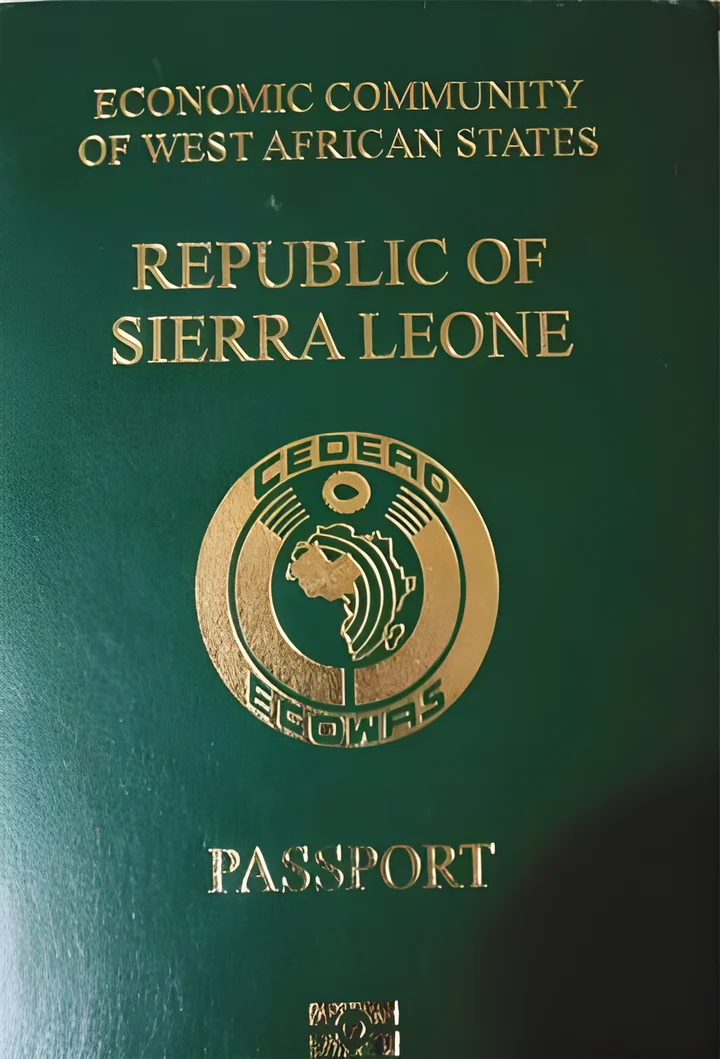
- Sierra Leone: usually 90-120 days from complete application to passport. The most affordable route for a single person with no dependants is Solo Entrepreneur with a programme fee of 95,000 USD; with family, it is the Fast Track from 140,000 USD for the main applicant. More on Sierra Leone.
- Grenada and São Tomé and Príncipe: also programmes that count in months rather than years. More on Grenada and São Tomé and Príncipe.
How long each programme takes step by step, and where the clock really starts, is shown in How long does CBI take?. You'll find every programme side by side in the comparison, and the path from the first conversation to the passport under how it works.
Naturalisation and investment: why you pursue both
Naturalisation costs you little more than the authority's fees and is often the better route in the end. You really get to know a country, build friendships, business and a genuine bond, and the passport you receive after those years is part of your life. But it costs years, and it requires you to actually live there.
Investment buys you exactly those years. With an investment passport in your pocket, you hold a second passport from day one while your naturalisation in Argentina, Brazil or Uruguay runs its course at its own pace. You don't have to choose: the two routes don't exclude each other, they complement each other. How to plan both together is covered in CBI and naturalisation. Which routes are not only fast but also the easiest is shown in Which citizenship is easiest to get?.
Can you keep your German passport?
Yes. Since 27 June 2024, acquiring another nationality on application no longer costs you your German one, and you no longer need a retention permit for it. Whether you become Argentine, Brazilian, Canadian or a citizen of an investment country, you keep your German passport.
That makes fast naturalisation a pure gain. You give nothing up; you add a second passport to the first. What that means for tax, conscription and travel is covered in the overview dual citizenship for Germans.
Frequently asked questions
Which country gives you citizenship the fastest?
Among the countries compared here, the Dominican Republic sets the shortest statutory residence period: six months of uninterrupted residence if you own property there or have founded and run a business, two years otherwise. Argentina and Peru follow with two years. The only route with no residence years at all is a passport by investment, for example from Sierra Leone, usually 90-120 days after the complete application.
Where can you get citizenship after 3 years?
In Canada you need 1,095 days of physical presence in the five years before you apply, which makes three years. Uruguay grants foreigners with family in the country legal citizenship (Ciudadanía Legal) after three years of habitual residence, and after five without family. Canada also requires permanent resident status and language skills, Uruguay capital, property or a profession in the country.
Does Germany still offer naturalisation after 3 years?
Not for integration. Section 10(3) of the Nationality Act (Staatsangehörigkeitsgesetz, StAG), which shortened the period for exceptional integration, has been repealed. Today Section 10(1) StAG requires five years of lawful habitual residence in Germany. Only where there is a special public interest, in science, business, culture, sport or public service, can Section 8 StAG allow naturalisation after three years, confirmed by a supreme federal or state authority.
How long does naturalisation take after you apply?
That depends on the authority. The Dominican Republic quotes 4-6 months from submission of the originals, fingerprints and photo, for 29,200 pesos including review and oath. Always add the time until your first residence permit and the processing time to the residence period, and you'll see your true total.
Can marriage shorten the wait?
In many countries, yes. Brazil cuts the period from four years to one if you are married to a Brazilian and not separated, and likewise if you have a Brazilian child. Which countries naturalise spouses even faster is covered in naturalisation by marriage.
Which is faster: naturalisation or citizenship by investment?
Investment, by years. Even the shortest naturalisation first needs a residence permit, then the residence period and then processing. An investment programme like Sierra Leone usually issues the passport 90-120 days after the complete application. You are strongest when you pursue both, as CBI and naturalisation shows.
Which passport comes first for you?
Together we work out which country fits your life, how long your naturalisation will realistically take and which investment passport protects you in the meantime.
Book a consultationSources
- Argentina.gob.ar Normativa: Ley de Ciudadanía N° 346, current text, Art. 2 and 2 bis
- Ministerio Público Fiscal: Confirman que el fuero electoral es competente en cuestiones de ciudadanía, 2 July 2026
- Superintendencia Nacional de Migraciones (Peru): Conoce los principales cambios en la nueva Ley de Nacionalidad, 16 August 2025
- Câmara dos Deputados: Lei 13.445/2017 (Lei de Migração), Art. 65 and 66
- Ministério da Justiça e Segurança Pública: Residência pelo prazo estabelecido pela lei brasileira (1 year, 2 years)
- Dirección General de Impuestos Internos (Dominican Republic): Ley 1683 sobre Naturalización, Art. 1 as amended by Ley 4063
- Ministerio de Interior y Policía (Dominican Republic): Naturalización Ordinaria, requirements, response time, cost
- IMPO Uruguay: Constitución de la República, Art. 75
- Immigration, Refugees and Citizenship Canada: Canadian citizenship, Who can apply
- Gesetze im Internet: Section 10 StAG, naturalisation
- Bundesverwaltungsamt (Federal Office of Administration): reform of German nationality law 2024
- Sierra Leone: sierraleonepassport.com, programmes, timelines and process
- Superintendencia Nacional de Migraciones (Peru): Resolución de Superintendencia N.° 000314-2026-MIGRACIONES, 6 November 2026, still bases naturalisation on Art. 3 of Ley 26574
- Infobae: La Corte Suprema analizará otro DNU de Javier Milei que modificó el régimen para otorgar ciudadanías (7 October 2026)
- Dirección General de Impuestos Internos: Decree No. 631-11, implementing regulations of Migration Law No. 285-04 (Art. 55)